Sunday, October 15, 2023

The Role of Child Themes in WordPress Development

WordPress, the world’s most popular content management system, powers millions of websites on the internet. Its versatility and user-friendliness have made it a top choice for bloggers, businesses, and developers alike. One of the key features that make WordPress so adaptable is its theme system. Themes are responsible for the appearance and functionality of a WordPress website. While there are countless pre-made themes available, many developers prefer to create custom themes to meet specific design and functionality requirements. When developing custom themes in WordPress, the concept of child themes becomes essential. In this article, we will explore the role of child themes in WordPress development, their benefits, and how to create and use them effectively.

Understanding WordPress Themes

Before delving into child themes, it’s important to have a solid understanding of WordPress themes. A theme in WordPress is a collection of files that control the look and feel of a website. It includes templates for different page types (e.g., homepage, single post, category page), style sheets, JavaScript files, and other assets. Themes allow users to change the design of their website without altering the underlying content or functionality.

The main advantage of using themes is that they separate the website’s content from its presentation, making it easier to modify the site’s appearance without affecting its data or functionality. Themes can be installed and activated with a few clicks, instantly transforming the website’s design.

However, when you want to make extensive customizations to a theme or build a theme from scratch, you might encounter limitations or face the risk of losing your changes when the theme updates. This is where child themes come into play.

The Role of Child Themes

A child theme in WordPress is a theme that inherits the features and styling of another theme called the parent theme. It allows developers to make changes to the appearance and functionality of a theme without modifying the original theme’s files. Instead, you create a child theme with its own set of files and override or extend the parent theme’s components as needed. Child themes are essentially an overlay or an extension of the parent theme, preserving the separation of content and design.

Here are some key roles of child themes in WordPress development:

Customization: Child themes enable developers to customize the design and functionality of a parent theme. You can make changes to templates, styles, and scripts without altering the parent theme directly.

Maintenance: By using a child theme, you can safely update the parent theme without losing your customizations. This is crucial to ensure that your website remains secure and up-to-date.

Experimentation: Child themes are an excellent tool for experimenting with new design elements or features. You can create a child theme, make changes, and see how they affect your site without affecting the live site.

Isolation: Child themes allow for isolated development, which means you can work on customizations without interfering with the live site’s performance or appearance.

Reusability: Once you’ve created a child theme, you can reuse it for other projects, saving you time and effort in the long run.

Creating a Child Theme

Creating a child theme is a straightforward process. Here are the basic steps to create a child theme in WordPress:

Create a new folder: Start by creating a new folder in your theme directory (usually located in wp-content/themes/). Give the folder a unique and descriptive name for your child theme, e.g., “mytheme-child.”

Create a stylesheet: Within the child theme folder, create a style.css file. This file is crucial as it contains information about the child theme and its parent theme. You can use the following code as a template:

Replace “My Child Theme” with your child theme’s name and “parent-theme-folder” with the actual folder name of the parent theme you want to inherit from.

Activate the child theme: After creating the child theme folder and the stylesheet, go to your WordPress dashboard, navigate to Appearanceappearance> Themes, and activate your child theme.

Modify the child theme: You can now start making modifications to the child theme’s files, such as templates, style sheets, and scripts. Any files you place in the child theme with the same name and structure as those in the parent theme will override the parent theme’s files.

Best Practices for Using Child Themes

When working with child themes in WordPress, there are some best practices to follow to ensure a smooth and efficient development process:

Backup: Always back up your website before making any theme changes. This is especially important when working with child themes.

Use a version control system: Consider using a version control system like Git to keep track of your changes and collaborate with others effectively.

Document your changes: Make comments in your code to document the changes you make in the child theme. This will be helpful for future reference.

Test thoroughly: Test your child’s theme thoroughly to ensure that it works as expected on different devices and browsers.

Stay updated: Keep your parent theme and WordPress core up-to-date to benefit from security patches and new features.

Child theme security: If you’re sharing your child theme or using it in a production environment, make sure it’s secure to prevent vulnerabilities. Follow WordPress coding standards and sanitize user inputs.

Performance optimization: Optimize your child theme for performance by minimizing HTTP requests, optimizing images, and using efficient code.

Examples of Child Theme Usage

Child themes are used in a variety of scenarios, depending on the specific needs of a WordPress website. Here are a few examples:

Custom branding: You can create a child theme to change the colour scheme, typography, and logo to match specific brand identity.

Additional features: Add custom post types, widgets, or other components to your website using a child theme.

Layout modifications: Modify the layout of your website by altering templates, creating custom page templates, or using different template parts.

Translation and localization: Customize the text and language of your theme for a specific region or audience.

Custom content types: Create custom content types, such as portfolios, testimonials, or events, and style them to suit your website’s design.

In Conclusion

Child themes are an invaluable tool in WordPress development, allowing developers to customize and extend themes while preserving the integrity of the parent theme. They provide a structured and efficient way to create unique designs and functionalities for WordPress websites. By following best practices and keeping the separation of content and formatting intact, developers can create websites that are not only visually appealing but also secure and maintainable. Whether you are a beginner or an experienced developer, understanding and using child themes is a skill that can significantly enhance your WordPress development projects.

The post The Role of Child Themes in WordPress Development appeared first on Creativ Digital.


from Creativ Digital https://ift.tt/xf9hgwd

Saturday, October 14, 2023

The Future of E-commerce with WordPress and NFTs

The world of e-commerce is constantly evolving, with new technologies and trends reshaping the way we buy and sell products and services online. Two of the most prominent trends in recent years are the use of WordPress as a robust e-commerce platform and the rise of Non-Fungible Tokens (NFTs) as groundbreaking digital assets. In this article, we will explore the exciting intersection of these two technologies and delve into the potential future of e-commerce with WordPress and NFTs.

WordPress as a Leading E-commerce Platform

WordPress has established itself as a dominant force in the world of web development and content management systems. Initially created as a blogging platform, it has evolved into a versatile solution for building various types of websites, including e-commerce stores. The platform’s adaptability and extensive plugin ecosystem, notably WooCommerce, make it a popular choice for businesses of all sizes.

WooCommerce, a WordPress plugin, is a feature-rich and highly customizable e-commerce solution. It allows website owners to set up and manage online stores with ease, offering a wide range of functionality, from product listings and checkout processes to inventory management and payment gateways. WordPress’s user-friendly interface and a plethora of themes and plugins have made it a go-to option for e-commerce entrepreneurs.

NFTs: The Digital Collectibles of the Future

On the other hand, NFTs have taken the digital world by storm, primarily in the realm of art, entertainment, and collectibles. NFTs are digital assets represented by unique tokens on a blockchain, ensuring their scarcity, provenance, and ownership. These tokens can represent various digital items, including digital art, music, video clips, virtual real estate, and much more.

NFTs have garnered significant attention due to their ability to authenticate digital assets and provide creators with a new way to monetize their work. Artists and content creators can sell their digital creations directly to collectors, eliminating the need for intermediaries and allowing them to retain more of the proceeds. NFTs also offer collectors a way to prove the authenticity and ownership of their digital collectibles.

The Convergence: E-commerce, WordPress, and NFTs

The convergence of WordPress-powered e-commerce and NFTs opens up a world of opportunities and potential use cases. Here are several ways in which these technologies may intersect in the future of online business:

1. NFT-Based Products and Collectibles

E-commerce businesses using WordPress and WooCommerce can begin to offer NFT-based products and collectibles. For instance, artists and designers can create digital art pieces, convert them into NFTs, and sell them on their WordPress-based e-commerce stores. Collectors can then purchase these NFTs as unique digital collectibles. This fusion of NFT technology with e-commerce platforms can redefine how digital art and collectibles are bought and sold online.

2. Digital Downloads and Access Tokens

WordPress e-commerce websites can expand their offerings by integrating NFTs as access tokens. Customers can purchase NFTs representing access to digital content, such as ebooks, online courses, or exclusive membership areas. This approach allows businesses to monetize their digital products while ensuring the authenticity and scarcity of access.

3. Limited-Edition Products

E-commerce stores can leverage NFTs to create limited-edition or exclusive products. Using blockchain technology, businesses can issue NFTs that grant ownership of these limited items. Customers can buy NFTs to claim ownership and receive the physical or digital product associated with the NFT. This strategy can foster a sense of exclusivity and drive demand for unique products.

4. Rewards and Loyalty Programs

NFTs can be integrated into e-commerce loyalty programs and rewards systems. Online retailers can issue NFTs as rewards for customer loyalty, which can be redeemed for discounts, exclusive merchandise, or other perks. The NFTs, in this context, serve as both digital rewards and status symbols, strengthening customer engagement and retention.

5. Authenticity and Provenance

One of the critical features of NFTs is their ability to verify the authenticity and provenance of digital assets. E-commerce businesses dealing in luxury or high-value items can use NFTs to assure customers of the authenticity and origin of their products, building trust and confidence in online transactions.

Challenges and Considerations

While the integration of NFTs into WordPress-based e-commerce is an exciting prospect, it comes with its own set of challenges and considerations:

1. Technical Integration

Integrating NFTs into a WordPress e-commerce site will require technical expertise. Businesses will need to either hire or collaborate with developers who have experience with blockchain technology and NFTs.

2. Regulatory Compliance

The regulatory landscape for NFTs is still evolving, and businesses must stay informed about legal and tax considerations related to the sale and purchase of NFTs.

3. Education and User Experience

Customers may not be familiar with NFTs, so businesses will need to provide educational resources and ensure a user-friendly experience when buying and selling NFT-based products.

4. Scalability

As NFTs gain popularity, the scalability of blockchain networks can become an issue. It’s essential to consider which blockchain platform is best suited for your needs.

The Future of E-commerce with WordPress and NFTs

The integration of NFTs into WordPress-powered e-commerce represents an exciting frontier in online business. As more businesses and content creators recognize the potential of NFTs, we expect to see innovative use cases and novel ways of monetizing digital assets. However, for this future to fully materialize, businesses must carefully navigate the technical, legal, and user experience aspects of this technology.

The potential benefits are immense. NFTs can create new revenue streams, enhance customer engagement, and revolutionize how digital assets are bought and sold. The synergy between WordPress and NFTs can empower online businesses to tap into the booming NFT market while offering consumers innovative and authentic digital experiences.

As with any technological advancement, the future of e-commerce with WordPress and NFTs will depend on how healthy businesses adapt and incorporate these technologies into their existing models. It is an exciting time for online entrepreneurs and content creators as they explore the endless possibilities that this convergence brings to the world of digital commerce.

The post The Future of E-commerce with WordPress and NFTs appeared first on Creativ Digital.


from Creativ Digital https://ift.tt/t1hzfg7

The Role of Voice Search in E-Commerce Web Design

The world of e-commerce has evolved rapidly over the past few decades. From the early days of simple online storefronts to the sophisticated, feature-rich platforms we have today, the field of e-commerce web design has seen continuous transformation. One of the most recent and significant developments in this domain is the integration of voice search technology.

Voice search has become a mainstream feature of everyday life, thanks to the proliferation of voice-activated assistants like Siri, Google Assistant, and Amazon’s Alexa. As these technologies have become increasingly accurate and widespread, their impact on e-commerce web design has been profound. In this article, we will explore the role of voice search in e-commerce web design and the implications for businesses operating in the digital marketplace.

Before delving into its role in e-commerce web design, it’s essential to understand the meteoric rise of voice search technology. Voice-activated digital assistants have fundamentally changed the way we interact with technology and the internet.

The convenience and naturalness of speaking to a device, rather than typing, have made voice search increasingly popular. People now use voice commands for a wide range of activities, from asking for directions to getting recipes, checking the weather, and even making shopping lists. This shift in user behaviour has not gone unnoticed by the e-commerce industry.

Voice Search and E-Commerce

Voice search has had a substantial impact on the e-commerce landscape. Online shoppers are increasingly turning to voice search for their buying decisions. This trend is primarily driven by the convenience it offers. Shoppers can speak into their devices and get instant, conversational responses.

Here are some key ways voice search is influencing e-commerce:

1. Natural Language Queries

One of the primary differences between traditional text-based searches and voice searches is the use of natural language. When typing, people tend to use short and fragmented queries, whereas voice search encourages more extended and conversational questions. This shift in user behaviour means that e-commerce websites need to adapt to accommodate these longer, more conversational search queries.

2. Enhanced User Experience

Voice search technology can significantly enhance the user experience on e-commerce websites. Users can easily search for products, check product details, and make purchases with voice commands. This streamlined process can reduce friction in the buying journey and improve customer satisfaction.

3. Mobile Shopping

With the increasing use of mobile devices for online shopping, voice search becomes even more relevant. Mobile users are often on the go and may prefer to speak to their devices rather than type. E-commerce websites optimized for voice search can cater to this growing mobile audience effectively.

4. Voice Commerce

Voice commerce, also known as v-commerce, is an emerging trend in e-commerce. This involves using voice commands to make purchases directly through voice-activated devices. It’s a growing field with the potential to revolutionize online shopping. E-commerce websites that support voice commerce can stay ahead of the curve and provide a seamless buying experience for their customers.

The Impact on Web Design

The integration of voice search in e-commerce web design is not merely about adding a voice search button to your site. It requires a holistic approach to ensure that the website is user-friendly and capable of understanding and responding to natural language queries.

Here are some key considerations for integrating voice search into e-commerce web design:

1. Conversational Interfaces

To make the most of voice search, e-commerce websites need to adopt conversational interfaces. This means designing the website to understand and respond to everyday language. User interfaces must be able to decipher the context of user queries, handle follow-up questions, and provide detailed responses.

2. Structured Data and Schema Markup

Structured data and schema markup are essential for enabling search engines to understand your website’s content. This is particularly important for voice search, as search engines use this information to provide rich snippets in response to user queries. When your e-commerce website is optimized with structured data, it can enhance its visibility in voice search results.

3. Mobile Optimization

Voice search is closely tied to mobile devices, so e-commerce websites should prioritize mobile optimization. Ensure that your site is responsive, loads quickly on mobile devices, and provides an excellent user experience on smaller screens.

4. Local SEO

Many voice searches are location-based. When people use voice search to find products or services, they often include phrases like “near me” or “in my area.” E-commerce websites should focus on local SEO to ensure that they appear in local search results.

5. User-Friendly Navigation

Voice search can reveal issues with the navigational structure of your e-commerce site. To enhance user experience, make sure that products are well-categorized and navigation is intuitive, allowing users to find what they’re looking for quickly.

6. Voice Search Testing

Regular testing and optimization are crucial when implementing voice search into your e-commerce web design. This will help identify any issues, refine conversational interfaces, and improve the accuracy of voice search responses.

The Future of E-Commerce Web Design

Voice search is not just a trend; it’s a significant technological shift that’s here to stay. As more consumers adopt voice-activated devices, e-commerce businesses that embrace voice search will have a competitive advantage. They will be better positioned to meet the evolving needs and preferences of their customers.

Conclusion

In summary, the role of voice search in e-commerce web design is multifaceted. It’s about accommodating the shift towards natural language queries, providing a seamless user experience, and staying ahead of emerging trends like voice commerce. By integrating voice search into their web design strategies, e-commerce businesses can position themselves for success in the ever-evolving digital marketplace. As technology continues to advance, the businesses that adapt and innovate will thrive in the era of voice-activated e-commerce.

The post The Role of Voice Search in E-Commerce Web Design appeared first on Creativ Digital.


from Creativ Digital https://ift.tt/rM3L6Ji

Friday, October 13, 2023

SEO-Friendly Ecommerce Web Design Principles

Picture this: You’ve spent hours meticulously curating a stunning online store, filled with high-quality products that customers can’t resist. But there’s just one problem – no one can find it! Don’t let your hard work go unnoticed; it’s time to crack the code of SEO-Friendly Ecommerce Web Design Principles. By implementing these game-changing strategies, you’ll not only boost your website’s visibility but also enhance user experience and ultimately skyrocket your sales. In this article, we’ll guide you through the essential principles that will transform your online store into an unstoppable force in the digital world.

Why SEO-friendly Ecommerce Web Design is Important

SEO-friendly e-commerce web design is crucial for the success of online businesses. Being visible to potential customers is essential in an increasingly competitive digital landscape. Search engine optimization (SEO) ensures that your e-commerce website ranks well on search engine results pages, making it more discoverable to users actively searching for products or services. When your website is optimized for search engines, it attracts more organic traffic and provides a better user experience. With an intuitive design, high-quality content, and structured data, SEO-friendly e-commerce websites improve user engagement, trust, and conversion rates. SEO-friendly design bridges your e-commerce site and its potential customers, allowing you to effectively reach and serve your target audience.

SEO-Friendly Ecommerce Web Design Principles

Below, you’ll find a set of principles for designing an e-commerce website that is optimized for SEO.

User-Centric Design

While the primary goal of an e-commerce website is to make sales, it’s crucial to remember that a user-centric design is the first step toward SEO-friendliness. A user-friendly website encourages visitors to stay longer, browse more products and complete transactions. Google and other search engines consider these user signals when ranking your site. Focus on intuitive navigation, clear calls to action, and responsive design to enhance the user experience.

Mobile Optimization

With most internet users accessing websites via mobile devices, mobile optimization is no longer a choice but a necessity. Google’s mobile-first indexing means that your site’s mobile version matters most for ranking. Ensure your e-commerce website is responsive and offers an excellent mobile user experience.

High-Quality Content

Quality content is the cornerstone of SEO. For an e-commerce website, this means providing detailed product descriptions, informative blog posts, and engaging category pages. Well-written content helps potential customers make informed decisions and improves your site’s chances of ranking for relevant keywords.

Keyword Research

Keyword research is at the heart of SEO-friendly e-commerce web design. Identifying and targeting the keywords that potential customers use when searching for products you offer is crucial. Use tools like Google Keyword Planner or third-party keyword research tools to identify high-value, relevant keywords for your products.

On-Page Optimization

On-page SEO elements, such as title tags, meta descriptions, and header tags, are critical in making your e-commerce website SEO-friendly. Each product page and category should have a unique, keyword-optimized title and meta description. Use header tags to structure your content, making it easier for search engines to understand and index.

Site Speed

Site speed is a ranking factor and a crucial user experience component. Slow-loading pages can lead to high bounce rates, negatively impacting your SEO efforts. Optimize images, minimize code, and leverage browser caching to ensure your e-commerce website loads quickly.

URL Structure

Creating SEO-friendly URLs is vital. Use descriptive, keyword-rich URLs that provide search engines and users with information about the page’s content. Avoid generic URL structures with numbers and symbols, as these can be confusing.

Internal Linking

Internal linking not only helps users navigate your website but also assists search engines in understanding the hierarchy of your content. Link-related products, categories, and blog posts to help distribute link equity and establish content relationships.

SSL Certification

Security is a critical ranking factor, and an SSL certificate is a must for e-commerce websites. It not only secures user data but also contributes positively to SEO.

Schema Markup

Schematic markup can enhance your e-commerce site’s visibility in search results. This structured data provides search engines with additional product information, such as price, availability, and reviews, making your listings more attractive and informative.

User Reviews

User-generated content, such as reviews and ratings, builds trust with potential customers and helps with SEO. Encourage customers to leave reviews, and ensure these reviews are displayed prominently on product pages.

Secure Checkout

A seamless and secure checkout process is vital for e-commerce websites. High cart abandonment rates can negatively affect SEO. Make sure the checkout process is user-friendly, fast, and secure to minimize abandoned carts.

Conclusion

In the competitive world of e-commerce, your website’s design and SEO go hand in hand. An SEO-friendly e-commerce web design improves your search engine rankings and enhances the user experience, leading to higher conversion rates and, ultimately, increased revenue. By following these principles, you can create an e-commerce website that attracts, engages, and converts customers while performing well in search engine results.

The post SEO-Friendly Ecommerce Web Design Principles appeared first on Creativ Digital.


from Creativ Digital https://ift.tt/BXJFxYo

Monday, October 9, 2023

Why keeping WordPress Updated is Important

WordPress is undoubtedly one of the most popular content management systems (CMS) on the internet today. Powering millions of websites, it’s an incredibly versatile platform that continues to evolve and improve. Keeping your WordPress site updated is one of the keys to ensuring it stays secure, fast, and functional. This comprehensive guide will delve into the importance of updating WordPress and provide a step-by-step process to keep your website up-to-date.

Why Update WordPress?

Security: Security is paramount in the digital age. Outdated WordPress installations are more susceptible to hacking and malware attacks. Regular updates often include patches for known vulnerabilities, strengthening your website’s defences against potential threats.

Bug Fixes: Like any software, WordPress isn’t immune to bugs. Updates typically include bug fixes that can improve your website’s overall stability and performance.

Performance Enhancements: Updates can also improve performance, making your site faster and more efficient. This is crucial for user experience and SEO rankings.

Compatibility: As technology advances, so do the tools and plugins that integrate with WordPress. Keeping your WordPress core, themes, and plugins up-to-date ensures compatibility with the latest web technologies.

New Features: Updates often introduce new features and functionalities, enhancing your site’s capabilities. Staying current allows you to take advantage of these improvements.

Now that you understand the importance of updating WordPress, let’s explore how to do it effectively.

Step-by-Step Guide to Keeping WordPress Updated

Back-Up Your Website

Before making any updates, it’s crucial to back up your website. This is your safety net if anything goes wrong during the update process. Use a reliable backup plugin or your hosting provider’s backup service to create a full site backup.

Update the Core WordPress Software

The WordPress core is regularly updated to address security vulnerabilities, improve performance, and add new features. To update it:

Log in to your WordPress dashboard.

Click on “Dashboard” > “Updates.”

If an update is available, click “Update Now.”

Update Themes

Your website’s theme can significantly impact its appearance and functionality. If you’re using a custom or third-party piece from the WordPress repository, update it when new versions become available.

Navigate to “Appearance” > “Themes.”

If an update is available for your active theme, click “Update Now.”

Update Plugins

Plugins are essential for adding features and functionality to your website. Keep them updated to maintain compatibility and security.

Go to “Plugins” in your dashboard.

Update each plugin or click “Update All” if multiple updates are available.

Check for Compatibility Issues

After updating WordPress, themes, and plugins, thoroughly test your website to ensure everything works correctly. Look for any compatibility issues or broken functionalities. If you encounter problems, consider contacting the plugin or theme developers for support.

Update Regularly

Make updating WordPress a regular part of your maintenance routine. Set a schedule, such as once a week or once a month, to check for updates. Regular updates help prevent security vulnerabilities from accumulating.

Update PHP and Database

Besides WordPress, ensure your server’s PHP version and database software are up-to-date. These updates can improve performance and security as well.

Delete Unused Themes and Plugins

Unused themes and plugins can pose security risks. Delete any themes and plugins you no longer use to reduce your site’s attack surface.

Monitor for Security Threats

Consider using security plugins or services to monitor your site for potential threats. These tools can provide real-time alerts and help you protect your website proactively.

Stay Informed

Keep yourself informed about WordPress updates, security vulnerabilities, and best practices. Subscribe to WordPress news sources and follow the official WordPress blog for announcements.

Conclusion

Keeping WordPress updated is not just a best practice; it’s essential for your website’s security, performance, and functionality. Following the step-by-step guide outlined in this article and making updates a routine part of your website management, you can ensure that your WordPress site remains a secure and reliable platform for your content and online presence. Stay updated is a proactive measure that will save you time, money, and potential headaches in the long run.

The post Why keeping WordPress Updated is Important appeared first on Creativ Digital.


from Creativ Digital https://ift.tt/wVSvUkz

Saturday, October 7, 2023

The Fundamentals of Front-End Web Development

Front-end web development, often called client-side development, is crucial to creating websites and web applications. It involves everything a user interacts with on a website, from the layout and visual design to the functionality and user experience. To understand front-end web development, one must grasp its fundamentals, including HTML, CSS, and JavaScript, and an appreciation for responsive design and modern development tools.

The Importance of Front-End Web Development

Front-end web development holds immense importance in the digital realm. It is the face of a website or web application, the part users directly interact with. A well-crafted front end ensures a seamless and visually appealing user experience, making it a critical factor in engaging and retaining visitors. It involves translating design into code, optimizing responsiveness across devices, and enhancing interactivity through JavaScript. Additionally, accessibility and performance considerations are integral to front-end development, ensuring that websites are usable by all and load swiftly. In essence, the front end is the gateway to a successful online presence, leaving a lasting impression on users and driving the overall success of a web project.

The Building Blocks of Front-End Web Development

HTML (Hypertext Markup Language)ty

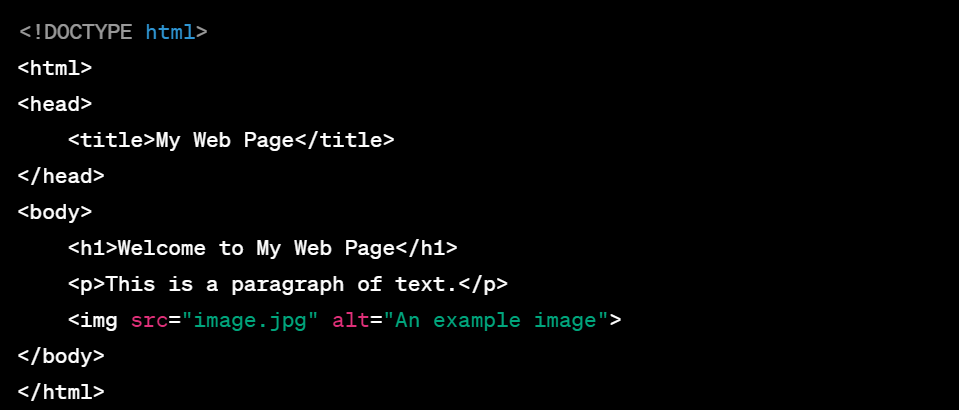
HTML is the backbone of any web page. Hypertext Markup Language, abbreviated as HTML, serves the purpose of organizing content on the internet.. HTML provides a webpage’s basic structure and semantics, defining elements such as headings, paragraphs, lists, images, links, and forms. Each component is represented by tags, and HTML documents are created by nesting these tags to create the desired structure. As an illustration, the subsequent HTML code generates a basic webpage:

HTML


HTML constantly evolves, and new elements and attributes are added to accommodate modern web development needs.

CSS (Cascading Style Sheets)

While HTML defines the structure of a webpage, CSS is responsible for its presentation and styling. CSS stands for Cascading Style Sheets and allows developers to control a website’s layout, colours, fonts, and overall visual design. CSS rules are applied to HTML elements using selectors, defining how details should be displayed. For instance, you can use CSS to change the headings’ colour, set the container’s width, or create responsive layouts that adapt to different screen sizes.

CSS 


With CSS, web developers can achieve various design possibilities and ensure a consistent look and feel across their websites.

JavaScript

JavaScript is a powerful and versatile programming language that adds interactivity and dynamic behaviour to web pages. It allows you to create responsive features like image sliders, form validation, and interactive maps. JavaScript can manipulate the DOM (Document Object Model), enabling developers to change content, respond to user actions, and communicate with back-end servers. It’s an essential tool for creating modern, engaging web experiences.

JavaScript


JavaScript libraries and frameworks, such as React, Angular, and Vue.js, have gained popularity for simplifying complex front-end development tasks and enhancing code maintainability.

Responsive Design

In today’s digital landscape, web users access websites on various devices, including desktops, laptops, tablets, and smartphones. Responsive web design creates websites that adapt and look good on all screen sizes and orientations. It involves using flexible layouts, fluid grids, and media queries in CSS to achieve responsiveness.

By employing responsive design principles, front-end developers ensure their web applications are accessible and user-friendly across different devices. This enhances the user experience and improves search engine rankings, as search engines favour mobile-friendly websites.

Modern Front-End Development Tools

Front-end web development has significantly transformed in recent years thanks to many development tools and workflows that simplify the development process and improve efficiency. Some of these tools include:

  • Code Editors: Popular code editors like Visual Studio Code, Sublime Text, and Atom provide features such as code autocompletion, syntax highlighting, and extensions for front-end development.
  • Version Control Systems: Git, along with platforms like GitHub and GitLab, allows developers to collaborate on projects, track changes, and maintain code integrity.
  • Package Managers: Tools like npm (Node Package Manager) and Yarn simplify the management of third-party libraries and dependencies in your projects.
  • Task Runners: Task runners like Gulp and Grunt automate repetitive tasks like minification, compilation, and optimization of CSS and JavaScript files.
  • Front-End Frameworks: React, Angular, and Vue.js provide reusable components, routing, and state management to streamline front-end development.
  • Browser Developer Tools: Browsers offer developer tools that help debug, inspect, and profile web applications for performance optimization.
  • Responsive Design Testing: Tools like BrowserStack and Responsinator allow developers to test their websites on various devices and browsers.

Conclusion

Front-end web development is integral to creating engaging and user-friendly websites and web applications. Understanding the fundamentals of HTML, CSS, and JavaScript and adopting responsive design principles and modern development tools empower developers to craft exceptional digital experiences. As the web continues to evolve, staying updated with the latest front-end technologies and best practices is crucial to success in this dynamic field. Whether you’re a beginner or an experienced developer, mastering front-end web development is an ongoing journey filled with creativity and innovation.

The post The Fundamentals of Front-End Web Development appeared first on Creativ Digital.


from Creativ Digital https://ift.tt/Xuzlsfq

Wednesday, October 4, 2023

Web Design and Its Influence on Brand Perception

In today’s digital age, a strong online presence is paramount for businesses looking to thrive and compete in the global market. A website serves as the virtual face of a company, making web design a critical aspect of brand development and perception. How a website is designed can significantly impact how customers perceive a brand. In this article, we will delve into the profound influence of web design on brand perception and explore key factors that businesses must consider when crafting their online identity.

The Importance of Web Design in Branding.

Web design plays a pivotal role in branding by serving as the digital face of a company. The visual language communicates a brand’s identity, values, and personality to the online audience. Effective web design establishes consistency across all touchpoints, from the website to social media profiles and marketing materials, reinforcing brand recognition and trust. It creates an emotional connection with visitors, evoking specific feelings and perceptions that align with the brand’s mission. Ultimately, web design is not just about aesthetics; it’s a powerful tool for shaping how a brand is perceived in the digital landscape, making it an integral part of any successful branding strategy.

Web Design and Its Influence on Brand Perception

Here are some key factors that businesses must consider when crafting their online identity.

The Visual Language of Branding

Web design is a visual language that speaks volumes about a brand. The choice of colours, typography, layout, and imagery all contribute to a website’s overall look and feel. These elements should align with the brand’s identity and values. For example, a high-end luxury brand will likely use elegant fonts, a minimalist colour palette, and high-quality images to convey sophistication. In contrast, a youthful and vibrant brand may opt for bold colours and playful graphics to capture its energetic essence.

Consistency Across All Touchpoints

Brand perception is shaped not only by a website but also by every interaction a customer has with a brand, both online and offline. Consistency in design across all touchpoints is crucial. A well-designed website should seamlessly align with the company’s logo, packaging, social media profiles, and physical storefront if applicable. This uniformity creates a sense of trust and reliability, reinforcing the brand’s message.

User Experience (UX) Matters

Aesthetics alone does not define web design; user experience (UX) plays a pivotal role. A website’s navigation, load times, responsiveness on various devices, and accessibility all impact how users perceive a brand. A user-friendly website enhances brand perception by making visitors easily find information, purchase, and engage with the content. Conversely, a frustrating or confusing website can drive potential customers away and damage the brand’s reputation.

Building Trust and Credibility

A well-designed website can instil trust and credibility in the minds of visitors. Elements such as clear contact information, professional-looking design, and user reviews contribute to this perception. Moreover, security features like SSL certificates and trust badges can reassure customers that their personal information is safe, further enhancing trust in the brand.

Emotion and Connection

Great web design can evoke emotions and connect a brand and its audience. A website can convey a brand’s values and mission through thoughtful use of visuals and messaging. For instance, an eco-friendly brand might use images of lush green landscapes to create an inviting visual atmosphere. They could also emphasize their commitment to sustainability, evoking a sense of responsibility and care in visitors.

Differentiating from Competitors

A unique and memorable web design can help a brand stand out from competitors in a crowded marketplace. Effective web design can create a distinct identity that separates a brand from the competition. It can showcase the brand’s strengths, innovations, and unique selling points, leaving a lasting impression on visitors.

Adapting to Changing Trends

Web design is not static; it evolves with trends and technologies. Staying up-to-date with the latest design trends and ensuring a website’s relevance is essential for maintaining a positive brand perception. An outdated website may give the impression that a brand needs to be more active and interested in keeping up with the times.

Conclusion

In the digital age, a well-crafted web design is integral to a brand’s overall identity and perception. It serves as a visual language that communicates the brand’s values, fosters trust and credibility creates emotional connections, and sets it apart from competitors. Businesses must recognize the profound influence of web design on brand perception and invest in creating a website that accurately represents their identity and resonates with their target audience. Ultimately, the impact of web design on brand perception must be balanced in an era where first impressions are often made online.

The post Web Design and Its Influence on Brand Perception appeared first on Creativ Digital.


from Creativ Digital https://ift.tt/fti1SLd