Tuesday, June 20, 2023

Want to Boost Your Shopify Sales?

Understand User Behaviour and Optimise Your Website for Conversion

Running a successful eCommerce store requires more than just an appealing website and advertising campaigns. You also need to optimise your website for Shopify sales and measure your online store’s conversion rate.

However, even if you’re doing your best to optimise the customer experience, you may not get the desired results. The key to achieving your goals is understanding your users’ behaviour so you can create a smooth and positive buying experience. Even small changes to your Shopify store’s UX can make a big difference. For example, increasing your conversion rate by just 1% can double your sales.

What is User Behaviour?

User behaviour is the way people interact with your website or app. This includes how they interact with your online platform, including how they navigate through different pages, the sections they browse, and their behaviours. 

Understanding user behaviour is an important part of optimising your Shopify business, as it can help you identify where your website is not meeting the needs of your customers. For example, if you find that a lot of users leave their carts at the checkout page, you can use this information to improve the checkout process and make it easier for users to complete their purchases. By addressing these pain points, you can significantly improve your chances of increasing sales and maximising your Shopify store’s profitability.

Understanding User Behaviour

When it comes to achieving your eCommerce goals, user behaviour plays a pivotal role. By gaining insights into how your customers interact with your website, you can identify areas for improvement and enhance the overall shopping experience. Here are some essential steps to help you better understand user behaviour and boost your conversion rate:

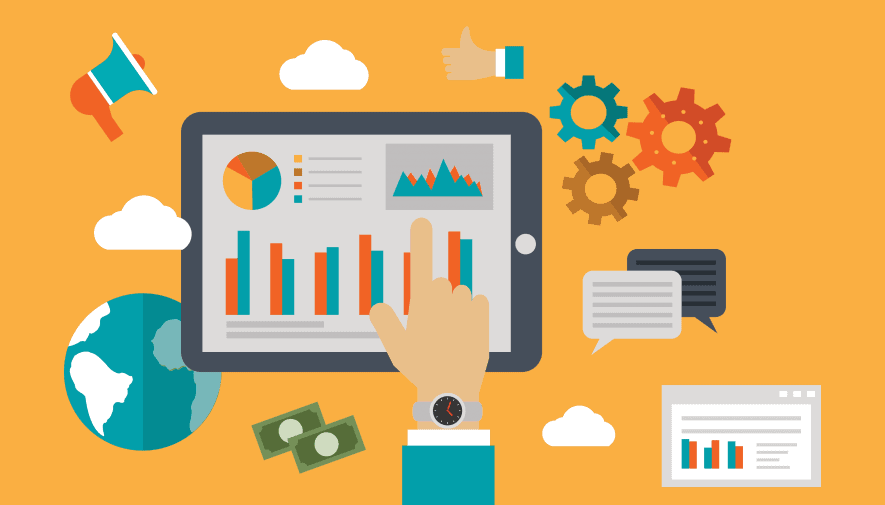
  1. Analyse data. Shopify’s analytics tools provide a wealth of data about user engagement and behaviour patterns. By examining metrics like bounce rates, time on page, and click-through rates, you can uncover valuable insights into how your customers interact with your website.
  2. Conduct user testing. Observe how individuals navigate your website to identify pain points, usability issues, and opportunities for streamlining the buying process.
  3. Implement surveys and feedback mechanisms. Gather direct insights from your customers by asking the right questions about their preferences, pain points, and suggestions for improving their experience.
  4. Utilise heatmaps and click tracking. Visualise user interactions and understand which areas of your website receive the most attention using heatmaps and click tracking tools. This data can guide you in optimising your design and layout for maximum engagement.

Optimising UX for Higher Conversion Rates

Once you’ve gained a solid understanding of your users’ behaviour, it’s time to make some changes to make more people buy from your Shopify store. Here are a few practical strategies that are proven to optimise the user experience and generate higher sales:

  1. Simplify navigation. Ensure that your website’s navigation is intuitive and easy to navigate. Streamline the purchasing journey by reducing the number of steps required to make a purchase.
  2. Use clear call-to-actions (CTAs). Use compelling and visually prominent CTAs to guide users towards desired actions, such as adding items to their cart or completing a purchase.
  3. Optimise for mobile devices. It’s critical to optimise your Shopify store for mobile devices, considering the increasing popularity of mobile shopping. Check if your website is responsive and offers a seamless mobile experience.
  4. Improve page loading speed. A slow-loading website can significantly impact user experience and conversion rates. Optimise your site’s performance by compressing images, minifying code, and leveraging caching techniques to ensure speedy page loads.
  5. Incorporate social proof and trust signals. Instil confidence in potential buyers by incorporating customer reviews, testimonials, and trust badges throughout your website. Building trust with your audience through social proof can help influence purchasing decisions.

Here are some additional tips for understanding user behavior and optimising your Shopify store for conversion:

  1. Test and Compare: This means testing different versions of your website and landing pages to see which ones work best. You can see which design or layout makes more people buy stuff.
  2. Ask for Feedback: Talk to your customers and ask them about their experience on your website. Their opinions can help you understand what’s working and what needs to change.
  3. Consider Using A Chatbot: A chatbot is like a virtual assistant that can answer questions and help customers in real-time. It’s a convenient way to provide support and make sure people have a good experience on your website.

Key Takeaways

Optimising your Shopify store’s conversion rate might seem tricky, but it’s all about understanding how people behave and making their experience well worth it. You can make informed decisions and implement changes to optimise your website for more sales by leveraging data analysis, user testing, and customer feedback. 

Remember, your goal is to make it as easy as possible for users to find what they’re looking for, add it to their cart, and checkout. If you can do that, you’ll be well on your way to increasing your sales and growing your business.

The post Want to Boost Your Shopify Sales? appeared first on Creativ Digital.


from Creativ Digital https://ift.tt/CpBOGA2

How to Protect Your Shopify Store from Fraud

Running an online store on Shopify is an exciting venture, but it also comes with the responsibility of safeguarding your business against fraud. With the rise of online transactions, fraudsters have become more sophisticated, making it essential for Shopify store owners to be proactive in protecting their businesses and customers.

Ecommerce fraud has increased by 18% from 2019, which means that the business owners of online stores are now dealing with occasional cases of fraudulent chargeback, as well as fake refund disputes. What is even more important, in 2021 there was a staggering $605 million worth of charge backs around the world. Do you have a plan to prevent these chargebacks?

Let’s learn about some of the most common frauds and effective strategies to secure your Shopify store and maintain the trust of your customers.

Common Frauds in Shopify Stores

As the popularity of Shopify stores continues to rise, so does the risk of encountering fraudulent activities. Being aware of the common types of fraud that target Shopify stores can help you better protect your business and customers. Let’s explore some of the most prevalent frauds in Shopify stores:

1. Chargeback Fraud

Chargeback fraud occurs when a customer makes a purchase using a credit card and then disputes the charge with their card issuer, claiming that the transaction was unauthorized or that they did not receive the goods or services. In some cases, the customer may receive a refund while still retaining the product, causing financial loss to the store owner.

2. Identity Theft

Identity theft is a significant concern for e-commerce businesses, including Shopify stores. Fraudsters may use stolen personal information, such as credit card details or social security numbers, to make fraudulent purchases. This can lead to financial losses, damaged reputation, and potential legal consequences for the affected store.

3. Phishing and Spoofing

Phishing and spoofing scams aim to trick store owners or customers into revealing sensitive information, such as login credentials or financial details. Fraudsters may send deceptive emails or create fake websites that resemble legitimate platforms like Shopify, leading users to unknowingly disclose their information. These scams can result in unauthorized access to accounts and potential fraud.

4. Bot Attacks

Bots are automated programs that fraudsters deploy to carry out malicious activities. In Shopify stores, bots can be used to place fraudulent orders, scrape content, or launch distributed denial-of-service (DDoS) attacks. Bot attacks can disrupt store operations, compromise customer data, and negatively impact the overall shopping experience.

Preventing and Mitigating Fraud

Here are some best practices to mitigate fraud and prevent unscrupulous people from taking advantage of your Shopify store.

Implement Secure Payment Gateways

Choosing a reputable and secure payment gateway is crucial for protecting your Shopify store from fraudulent transactions. Shopify offers a range of trusted payment gateways, such as PayPal, Stripe, and Shopify Payments, that have built-in fraud detection mechanisms. These gateways employ advanced encryption technologies and fraud prevention tools to identify and mitigate fraudulent activities.

Enable Two-Factor Authentication

Strengthening the security of your Shopify store begins with securing your login credentials. Enable two-factor authentication (2FA) for your store’s admin account. This additional layer of security requires users to provide a second form of verification, such as a unique code sent to their mobile device, along with their regular login credentials.

By implementing 2FA, you significantly reduce the risk of unauthorized access to your store.

Monitor and Analyze Order Patterns

Fraudsters often exhibit certain patterns that can be detected through careful monitoring and analysis of order data. Keep an eye out for suspicious activities, such as an unusually high number of orders from the same IP address, large orders from new customers, or multiple orders with different billing and shipping addresses.

Make use of the fraud detection apps and tools available on the Shopify App Store to automate this process and receive alerts for potential fraudulent orders.

Verify Suspicious Orders

When you come across an order that appears suspicious, take the time to verify the details before fulfilling it. Contact the customer directly using the contact information provided, and confirm the order and payment details. Look for red flags, such as inconsistencies in the customer’s responses, generic email addresses, or requests for expedited shipping. Trust your instincts and proceed with caution to avoid falling victim to fraudulent orders.

Employ Address Verification System (AVS)

An Address Verification System (AVS) is a security measure that verifies the billing address provided by the customer during checkout with the address associated with the credit card used for payment. By enabling AVS, you can identify potential discrepancies and reduce the risk of shipping orders to fraudulent addresses. Shopify supports AVS, and you can configure it in your payment gateway settings.

Use CAPTCHA and Bot Protection

To prevent automated bots from placing fraudulent orders or conducting malicious activities on your store, implement CAPTCHA (Completely Automated Public Turing test to tell Computers and Humans Apart) during the checkout process. CAPTCHA presents a challenge or puzzle that requires human interaction to solve, thereby deterring bots.

Also consider utilizing bot protection tools or apps specifically designed to identify and block malicious bots.

Stay Up-to-Date with Security Patches

Shopify regularly releases security patches and updates to address vulnerabilities and protect its platform from emerging threats. Ensure that your store is always running on the latest version of Shopify and promptly install any updates provided by the platform. Keeping your store’s software up-to-date minimizes the risk of exploitation by cybercriminals.

Educate Your Staff

If you have a team working on your Shopify store, it is essential to educate them about fraud prevention measures and best practices. Train your staff to recognize potential red flags, such as suspicious customer behavior, irregular payment patterns, or unusual order requests. Establish clear protocols for handling potentially fraudulent orders and ensure that all staff members are aware of the procedures to follow.

Bottom Line

Protecting your Shopify store from fraud is a continuous effort in maintaining the security and integrity of your business. By implementing the strategies mentioned above, you can significantly reduce the risk of falling victim to fraudulent activities and safeguard your customers’ trust.

Remember to regularly review and update your security measures as new threats and vulnerabilities emerge. Stay informed about the latest trends in online fraud and explore additional security options that can enhance your store’s protection. Use the resources available in the Shopify App Store, such as fraud detection apps, security plugins, and risk assessment tools, to fortify your defenses.

The post How to Protect Your Shopify Store from Fraud appeared first on Creativ Digital.


from Creativ Digital https://ift.tt/8tnSAgH

Monday, June 19, 2023

The Power of Logos: Unlocking Conversions and Sales for Your Business

As we all know by now, establishing a strong brand identity is essential for success. One of the key components of brand identity, is a well-designed logo. It serves as the face of your business, embodying its values, personality, and essence.

However, logos are more than just visual symbols; they hold the power to drive conversions and boost sales. Let’s learn about the importance of logos for businesses and explore how they can have a profound impact on customer perceptions, brand recognition, and ultimately, your bottom line.

Creating a Strong First Impression

Your logo is often the first point of contact between your business and potential customers. It serves as a visual representation of your brand and forms an initial impression in the minds of consumers. A well-designed logo communicates professionalism, trustworthiness, and credibility.

When prospects come across a visually appealing logo that aligns with their interests and values, they are more likely to engage further with your business.

Building Brand Recognition

Consistency and repetition are crucial for establishing a memorable brand presence. A well-crafted logo acts as a visual anchor, aiding in brand recognition. Over time, as customers encounter your logo across various platforms and touchpoints, it creates a sense of familiarity and trust. This familiarity fosters a deeper connection between consumers and your brand, leading to increased loyalty and repeat purchases.

By imprinting your logo in the minds of your target audience, you can create a lasting impression that distinguishes your business from competitors. Consistent logo designs include Coca-Cola, Google and Apple.

Eliciting Emotional Responses

Logos have the power to evoke emotional responses, tapping into consumers’ subconscious and influencing their decision-making process. The colors, shapes, and typography used in your logo can convey specific emotions and associations. For instance, vibrant colors may evoke excitement and energy, while muted tones can create a sense of sophistication and elegance.

Take a look at Google’s logo. When people see it, they automatically think about the company’s authority as a search engine. By strategically designing your logo to align with your target audience’s desires and aspirations, you can foster positive emotional connections, encouraging customers to choose your brand over others.

Establishing Trust and Professionalism

In the internet age, where consumers have an abundance of options at their fingertips, building trust is paramount. A well-designed logo communicates professionalism, reliability, and attention to detail. It showcases that you have invested time and effort into crafting a strong brand identity. Customers are more likely to trust businesses with a visually appealing and well-executed logo, as it signifies a commitment to quality and excellence.

A trustworthy logo creates a positive perception of your brand, influencing purchasing decisions and ultimately leading to increased conversions and sales. Good examples include the AAA logo and the Goodyear logo.

company logo
Driving Conversions and Sales

The culmination of all these factors leads to the ultimate goal: driving conversions and sales. A well-recognized and positively perceived logo can differentiate your business in a crowded marketplace, capturing the attention of potential customers.

When consumers identify with your logo and associate it with positive emotions, they are more likely to choose your products or services. Most of all, a strong logo enhances brand recall, ensuring that your business stays top of mind when customers are ready to make a purchase. Investing in a well-designed logo, you are making an investment in your business’s growth and long-term success.

Consistency

Aside from its visual appeal, ensure that your logo is versatile and adaptable across different mediums and platforms. It should be easily recognizable whether it’s displayed on your website, social media profiles, packaging, or advertisements. Consistency in logo usage helps establish a strong brand presence and reinforces brand recognition.

When designing or revamping your logo, it’s essential to consider your target market. Research your audience’s preferences, demographics, and buying behaviors. This knowledge will enable you to create a logo that appeals to their sensibilities and connects with them on a deeper level. Remember, a logo that resonates with your target audience has a higher chance of converting them into paying customers.

As your business evolves and expands, your logo should be able to grow with it. It should reflect your brand’s values and essence while remaining relevant in changing times. Updating your logo periodically can signify growth and modernity, helping you stay current and appealing to new customers.

Lastly, it’s worth mentioning the significance of a professionally designed logo. While it may be tempting to opt for a generic or do-it-yourself approach, investing in a professional logo designer can make a world of difference. Designers possess the expertise and knowledge to create a visually captivating and effective logo that aligns with your business goals. Their insights and experience ensure that your logo is well-crafted, memorable, and capable of leaving a lasting impression.

Final Thoughts

A well-designed logo holds immense power in the world of business. It serves as the face of your brand, creating a strong first impression, building brand recognition, evoking emotional responses, establishing trust and professionalism, and ultimately driving conversions and sales. Investing in a visually appealing and meaningful logo means that you’re making an investment in the long-term success and growth of your business.

The post The Power of Logos: Unlocking Conversions and Sales for Your Business appeared first on Creativ Digital.


from Creativ Digital https://ift.tt/bAKueUk

Sunday, June 18, 2023

The Importance of Local SEO for Brick-and-Mortar Businesses

Nowadays it’s no secret that having a strong online presence is essential for any business. However, for brick-and-mortar stores, the importance of local SEO cannot be overstated. Local search engine optimization is the key to unlocking a world of opportunities and driving targeted traffic to your physical store.

Here are some reasons why local SEO is essential for brick-and-mortar businesses and how it can help them thrive in the competitive marketplace.

Targeting Local Customers

Unlike e-commerce businesses that cater to a global audience, brick-and-mortar establishments primarily rely on customers within their geographical vicinity. Local SEO enables you to connect with potential customers who are actively searching for products or services in your area.

Optimizing your website and online presence for local search means that you are increase your chances of being found by those who are more likely to visit your store.

Enhanced Online Visibility

When people search for businesses or services on search engines, they often include location-specific keywords in their queries. Local SEO ensures that your business appears prominently in the search results for relevant local searches. By securing a higher rank on search engine result pages (SERPs), you increase your visibility and attract more potential customers to your physical store.

Improved Discoverability on Google Maps

Google Maps has become an indispensable tool for people looking for directions, nearby businesses, or specific services. Local SEO helps your business get listed and optimized on Google Maps, making it easier for potential customers to find you when they’re in your area. This visibility on one of the most widely used mapping platforms can significantly boost foot traffic to your store.

Building Trust and Credibility

When people search for local businesses, they often look for reviews, ratings, and testimonials from other customers. Local SEO allows you to manage and optimize your online reputation by encouraging positive reviews and addressing any negative feedback.

A strong online presence, backed by positive reviews, builds trust and credibility in the minds of potential customers, increasing the likelihood of them choosing your business over competitors.

Staying Ahead of the Competition

Local SEO is an effective way to gain a competitive edge in your local market. By implementing local SEO strategies, such as optimizing your website for local keywords, creating location-specific landing pages, and ensuring consistent business information across online directories, you can outperform your competitors in local search rankings. This advantage translates into more visibility, increased website traffic, and ultimately, more customers walking through your doors.

Mobile Optimization

With the proliferation of smartphones, more and more people are conducting local searches on their mobile devices. Local SEO ensures that your website is mobile-friendly and optimized for local searches, providing a seamless user experience for mobile users.

Mobile optimization not only improves your search rankings but also enhances the overall user experience, making it easier for potential customers to find, navigate, and engage with your business.

Cost-Effective Marketing

Compared to traditional advertising methods, local SEO offers a cost-effective marketing strategy for brick-and-mortar businesses. By targeting your efforts towards people who are actively searching for your products or services in your area, you can maximize your marketing budget and generate higher returns on investment.

Local SEO allows you to reach the right audience at the right time, precisely when they are looking for businesses like yours.

indicateurs de performance commerciale
Community Engagement and Local Partnerships

Local SEO provides an opportunity for brick-and-mortar businesses to actively engage with their local community and forge partnerships with other local businesses. By participating in community events, sponsoring local charities, and collaborating with complementary businesses, you can strengthen your brand presence and attract a loyal customer base.

Local SEO strategies, such as optimizing your website for local events and leveraging local keywords, can help you connect with community members and establish meaningful relationships. When your business is actively engaged with the local community, it not only boosts your reputation but also encourages word-of-mouth referrals, which can drive more foot traffic to your store.

Facilitating In-Store Visits

Local SEO goes beyond just online visibility; it can also provide valuable information to potential customers, such as your store’s address, hours of operation, and contact details. By optimizing your website and online listings with accurate and up-to-date information, you make it easier for customers to find and visit your physical store. This convenience can significantly increase the likelihood of turning online searchers into in-store visitors.

Leveraging Geo-Targeted Advertising

Local SEO allows you to leverage geo-targeted advertising strategies, which enable you to display your ads to users in specific geographic areas. With platforms like Google Ads and social media advertising, you can precisely target potential customers in your local market.

By delivering tailored messages and promotions to users based on their location, you can create a sense of relevance and urgency, driving more customers to your brick-and-mortar business.

Insights into Customer Behavior

Local SEO tools and analytics provide valuable insights into customer behavior and preferences. By analyzing data such as search queries, online interactions, and conversion rates, you can gain a deeper understanding of your target audience.

This knowledge can help you refine your marketing strategies, optimize your offerings, and tailor your customer experience to better meet the needs of your local customer base.

Adapting to “Near Me” Searches

The rise of voice search and mobile devices has given rise to the “near me” search trend. People frequently use phrases like “restaurants near me” or “hardware stores near me” to find businesses in their immediate vicinity. Local SEO ensures that your business appears in these “near me” search results, capturing the attention of users who are ready to make a purchase or visit a physical store.

Optimizing your website and content for these types of searches, you can capitalize on the growing number of consumers who rely on local search for their immediate needs.

Expanding Beyond the Local Market

While the primary focus of local SEO is to attract customers in your immediate area, it can also help expand your reach beyond your local market. By establishing a strong online presence and optimizing your website for local and relevant keywords, you can attract visitors and customers from neighboring towns or regions. This can be particularly beneficial for businesses located in tourist destinations or areas with a high influx of visitors.

Takeaway

Local SEO is a vital component of any brick-and-mortar business’s marketing strategy. Local SEO also provides cost-effective marketing, facilitates community engagement, and offers valuable insights into customer behavior. Embracing local SEO empowers brick-and-mortar businesses to thrive in today’s competitive online world while staying connected with their local communities.

The post The Importance of Local SEO for Brick-and-Mortar Businesses appeared first on Creativ Digital.


from Creativ Digital https://ift.tt/WSvQyMt

Thursday, June 15, 2023

The Vital Role of SEO in Landing Pages for Maximizing Online Success

The significance of establishing a strong online presence cannot be emphasized enough. In the competitive world of the internet, businesses must find effective ways to standout and capture the interest of their target audience. Enter the landing page—an important that holds the potential to make a lasting impression. It serves as a gatekeeper to your website. Its purpose is not only to captivate their attention but also to seamlessly guide them towards becoming valuable customers or dedicated subscribers.

Let’s take a look at the importance of SEO for landing pages, its value to your business and how to create them.

What is a Landing Page?

Landing pages are basically a gateway to your online presence. These specialized pages are designed to capture the attention of potential customers, persuading them to take desired actions. Whether it’s signing up for a newsletter, making a purchase, or filling out a contact form, landing pages are invaluable tools for driving conversions and achieving business goals.

The Importance of Landing Pages

There are roughly are roughly 1.3 billion websites in the internet today and all of them are vying for attention. This is why having a well-optimized landing page is essential for online success. Here are some key reasons why SEO holds immense significance for landing pages:

  • Increased Organic Traffic: SEO helps your landing pages rank higher in search engine results pages (SERPs). When your pages appear at the top of relevant search queries, they are more likely to attract clicks and organic traffic. Effective SEO strategies, such as optimizing keywords, meta tags, and headings, you can improve your landing page’s visibility and drive a steady stream of organic visitors.
  • Improved User Experience: User experience is a crucial factor in SEO. Search engines, like Google, prioritize websites that offer a seamless browsing experience. Optimizing your landing pages for user experience by focusing on factors such as page loading speed, mobile responsiveness, and intuitive navigation can lead to higher search engine rankings. A well-structured and user-friendly landing page will keep visitors engaged, reduce bounce rates, and increase the likelihood of conversions.
  • Targeted Audience Reach: Landing pages are designed to cater to specific audience segments or target markets. By aligning your landing page content with relevant keywords and phrases, you can ensure that your page reaches the right audience. SEO helps you identify and target the most relevant keywords that potential customers are searching for, allowing you to create landing pages that address their needs and pain points effectively. When your landing pages match users’ search intent, the chances of conversions significantly increase.
  • Enhanced Conversion Rates: The ultimate goal of a landing page is to convert visitors into customers or leads. SEO plays a pivotal role in improving conversion rates by driving qualified traffic to your landing pages. When you optimize your pages with targeted keywords and persuasive content, you attract visitors who are more likely to be interested in your offerings. SEO ensures that your landing pages are visible to users actively searching for solutions or products, increasing the likelihood of capturing high-quality leads and achieving conversion goals.
  • Long-term Visibility and ROI: One of the significant advantages of SEO is its long-term impact. Unlike paid advertising, which stops generating traffic once the campaign ends, well-optimized landing pages can continue to rank organically and drive traffic over time. By investing in SEO for your landing pages, you lay the foundation for sustained visibility, which can lead to a higher return on investment (ROI) in the long run. The cumulative effect of ongoing optimization efforts can result in a steady flow of organic traffic and conversions, reducing your reliance on paid advertising.
  • Competitive Advantage: In highly competitive industries, SEO can provide a crucial edge over your competitors. By optimizing your landing pages with a targeted SEO strategy, you can outrank competing websites and position yourself as a trusted and authoritative source in your industry. When users find your landing pages prominently displayed in search results, it enhances your brand reputation, credibility, and perceived expertise.
Creating SEO-friendly Landing Pages

Crafting SEO-friendly landing pages involves a combination of technical optimization and compelling content. Follow these tips to create landing pages that not only rank well in search engine results but also engage and convert visitors effectively.

  • Conduct Keyword Research: Start by conducting thorough keyword research to identify the terms and phrases your target audience is using to find products or services similar to yours. Incorporate these keywords strategically throughout your landing page’s content, headings, meta tags, and image alt attributes.
  • Optimize Page Titles and Meta Descriptions: Your landing page’s title tag and meta description are crucial for SEO. Create a concise and compelling title that includes your primary keyword and accurately represents the content of your page. Write a compelling meta description that entices users to click through to your landing page from search engine results. Both the title tag and meta description should be relevant, concise, and unique for each landing page.
  • Compelling and Relevant Content: Create high-quality, informative, and persuasive content that resonates with your target audience. The content on your landing page should be focused and aligned with the purpose of the page. Add your targeted keywords naturally within the content, ensuring it flows smoothly and doesn’t appear forced or spammy. Aim for a balance between search engine optimization and providing valuable information to your visitors.
  • Clear Call-to-Action (CTA): A clear and prominent call-to-action is essential for guiding visitors towards the desired action on your landing page. It should be visually distinct and persuasive, prompting visitors to take the next step. Use action-oriented language, such as “Sign Up Now,” “Get Started,” or “Buy Now,” to encourage conversions. Test different CTAs to determine the most effective one for your audience.
  • Engaging Visuals: Visual elements, such as images, videos, and infographics, can enhance the appeal and engagement of your landing pages. Use high-quality visuals that are relevant to your content and align with your branding. Optimize images by compressing them without sacrificing quality, and include descriptive alt tags to help search engines understand the content of the images.
When to Create Landing Pages

Landing pages are valuable assets at various stages of your marketing funnel. Consider creating landing pages when:

  • Launching a New Product: Build anticipation and capture leads before launching a new product or service.
  • Running Ad Campaigns: Design dedicated landing pages for your advertising campaigns to provide visitors with targeted information and streamline the conversion process.
  • Promoting Events or Webinars: Create landing pages to generate registrations and provide event details, optimizing the chances of attendance.
  • Generating Leads: Develop lead capture pages with compelling offers and forms to collect valuable customer information.
  • Tailoring Campaigns to Specific Audiences: Craft landing pages that cater to different audience segments, providing personalized experiences.
Bottom Line

In the worldwide web, landing pages and SEO go hand in hand, fueling the success of your online endeavors. By implementing effective SEO strategies, optimizing content, and strategically crafting landing pages, you can increase visibility, engagement, and conversions.

The post The Vital Role of SEO in Landing Pages for Maximizing Online Success appeared first on Creativ Digital.


from Creativ Digital https://ift.tt/nRU1L82

Wednesday, June 14, 2023

From Leads to Customers: Proven Strategies to Surge Ahead of the Competition

The ability to convert leads into paying customers is essential for success for the competitive world of ecommerce. Whether you’re running a small startup or managing a large corporation, effective lead conversion strategies can give you a significant edge over your competitors.

Check out these proven techniques that can help you convert leads into loyal customers so that you can propel your business forward.

Know Your Target Audience

To effectively convert leads, it’s essential to have a clear understanding of your target audience. Conduct thorough market research and create detailed buyer personas that represent your ideal customers. Understanding their pain points, desires, and preferences, can help you tailor your messaging and offers that resonates with them and thereby increase the chances of conversion.

Craft Compelling Content

Content marketing plays a pivotal role in lead conversion. Create high-quality, relevant content that educates and engages your audience. Blog posts, videos, ebooks, and social media posts are all valuable tools to showcase your expertise and build trust. Providing valuable information means that you can position your brand as a thought leader, making prospects more likely to convert.

Implement Effective Call-to-Actions (CTAs)

A well-crafted call-to-action is a powerful tool to guide leads towards conversion. Make sure your CTAs are clear, visually appealing, and strategically placed throughout your website and content. Experiment with different wording and design elements to optimize their effectiveness. Test different colors, button sizes, and placement to find what works best for your audience.

Leverage the Power of Personalization

Personalization is key to capturing the attention of your leads. You can use marketing automation tools to segment your audience and deliver personalized messages tailored to their specific needs and preferences. Address your leads by name in emails, recommend relevant products or services, and provide personalized offers. The more personalized the experience, the higher the chances of conversion.

Provide Social Proof

Humans are inherently social creatures who seek validation from others. Leverage the power of social proof to instill confidence in your leads. Display customer testimonials, case studies, and reviews prominently on your website. Encourage satisfied customers to share their experiences on social media. Positive feedback from real customers builds trust and credibility, making leads more likely to convert.

Implement a Lead Nurturing Campaign

Not all leads are ready to make an immediate purchase. Implement a lead nurturing campaign to stay top of mind and guide leads through the buyer’s journey. Use email marketing, targeted content, and personalized offers to nurture relationships and provide value at each stage. Building rapport and establishing trust can help you increase the likelihood of conversion over time.

Optimize Landing Pages

Your landing pages are important conversion points. Optimize them to maximize your lead conversion rate. Keep them simple, clean, and focused on a specific offer or call-to-action. Use compelling headlines, clear benefits, and persuasive copy to capture the attention of your leads. Test different designs, layouts, and form lengths to find the most effective combination.

Offer Incentives and Discounts

Everyone loves a good deal. Offering incentives and discounts can be a powerful motivator for leads to take action. Provide limited-time promotions, exclusive discounts, or free trials to create a sense of urgency and drive conversions. However, be mindful of maintaining the perceived value of your products or services, ensuring that your incentives align with your brand image.

Utilize Live Chat and Chatbots

Real-time communication can significantly impact lead conversion rates. Implement live chat or chatbot functionalities on your website to provide instant support and address any questions or concerns. Prompt responses and personalized interactions demonstrate your commitment to customer satisfaction, increasing the likelihood of conversion.

Continuously Test and Optimize

Lead conversion is an ongoing process that requires constant monitoring and optimization. Regularly test different strategies, messaging, and offers to identify what resonates best with your audience. Conduct A/B tests to compare the effectiveness of different elements such as headlines, images, and CTAs. Analyze data, track conversion rates, and make data-driven decisions to continuously refine and improve your lead conversion strategies.

Streamline the Conversion Process

A complicated and lengthy conversion process can discourage leads from completing their purchase. Streamline your conversion process by minimizing the number of steps required and simplifying forms. Implement one-click purchasing options, guest checkout, and autofill capabilities to enhance the user experience and reduce friction. The smoother the process, the higher the likelihood of successful conversions.

Provide Exceptional Customer Service

Excellent customer service goes a long way in converting leads and retaining customers. Ensure that your support team is responsive, knowledgeable, and empathetic. Be proactive in addressing customer concerns and resolving issues promptly. Happy customers are more likely to refer others and become loyal advocates for your brand, positively impacting your lead conversion rates.

Utilize Retargeting

Not all leads convert on their initial visit to your website. Retargeting allows you to reach out to those who have shown interest in your products or services. Implement pixel-based tracking and display retargeting ads to remind leads of their previous engagement with your brand. By staying top of mind and providing relevant reminders, you increase the chances of lead re-engagement and conversion.

Collaborate with Influencers

Influencer marketing has become a powerful tool for reaching new audiences and boosting lead conversion rates. Identify influencers in your industry who align with your brand values and have a substantial following. Partner with them to promote your products or services and tap into their engaged audience. Authentic recommendations from trusted influencers can significantly impact lead conversions.

Monitor and Respond to Feedback

Feedback from your leads and customers provides valuable insights into areas for improvement. Monitor online reviews, social media mentions, and customer feedback channels. Address any concerns or negative feedback promptly and take proactive steps to address any issues. Show your audience that you value their opinions and are committed to providing an exceptional customer experience.

Takeaway

Converting leads into paying customers requires a well-rounded and strategic approach. By implementing effective lead conversion strategies, you can stay ahead of the competition and drive business growth. Every step plays an important role in increasing your conversion rates. Continuously test, monitor, and optimize your strategies to adapt to evolving customer preferences and stay at the forefront of your industry. With dedication and persistence, you can convert leads into loyal customers, fueling the success of your business.

The post From Leads to Customers: Proven Strategies to Surge Ahead of the Competition appeared first on Creativ Digital.


from Creativ Digital https://ift.tt/u02vwYM

Tuesday, June 13, 2023

How Responsive Web Design Can Help You Convert More Leads and Boost Sales

Having an effective online presence is important in order to achieve online success. A well-designed website is no longer just a luxury; it is a necessity. One key aspect of web design that has gained immense significance is responsive design. Responsive web design ensures that a website adapts and functions flawlessly across various devices and screen sizes.

Let’s find out how responsive web design can help businesses convert more leads and boost sales.

Enhanced User Experience

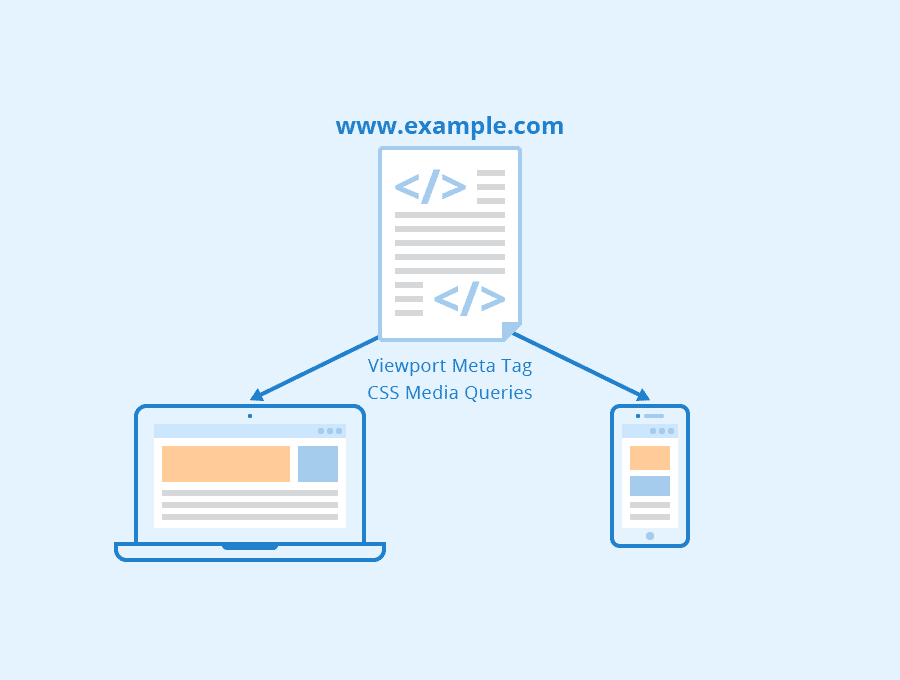
Responsive web design plays a pivotal role in providing users with an exceptional browsing experience, regardless of the device they use. When a website is responsive, it automatically adjusts its layout, content, and navigation to fit the specific screen size. This adaptability eliminates the need for users to zoom, scroll excessively, or struggle to find the desired information. This means that visitors are more likely to stay longer, engage with the content, and explore the products or services offered.

More importantly, a positive user experience fosters trust and credibility. Research shows that users are more inclined to interact with a brand that offers a seamless and user-friendly website. By considering responsive design principles, businesses can create a positive first impression, which increases the chances of converting visitors into leads and, ultimately, customers.

Search Engine Optimization

Responsive web design also impacts search engine optimization (SEO), because it enables businesses to maintain a single website with consistent content and URLs. Search engines, such as Google, prioritize responsive websites in their rankings because they provide a better user experience. When a website is responsive, it reduces bounce rates, improves dwell time, and enhances engagement metrics, all of which are essential factors for search engine algorithms.

Responsive design also eliminates the need for multiple versions of a website, such as separate mobile and desktop versions. This streamlines SEO efforts by consolidating link building, social sharing, and content development into a unified strategy. A responsive website also avoids the risk of duplicate content, which can negatively impact search rankings.

Improved Customer Engagement

Responsive web design promotes better customer engagement by catering to the diverse needs and preferences of users. When a website adapts to different devices, it ensures that visitors can easily access and interact with the content, regardless of whether they are using a smartphone, tablet, or desktop computer. This seamless experience encourages users to explore the website further, increasing the likelihood of conversions.

Responsive design enables businesses to implement effective call-to-action (CTA) strategies. By strategically placing CTAs that are easy to spot and interact with, businesses can guide users through the conversion funnel and boost sales. Whether it’s a subscription form, a purchase button, or a contact form, responsive design ensures that these elements are accessible and optimized for conversion on any device.

Adaptability to Evolving Technology
Responsive-web-design

Responsive web design is not only beneficial for current devices and screen sizes but also ensures adaptability to emerging technologies. As technology continues to advance, new devices with varying screen sizes and resolutions are introduced to the market. By employing responsive design principles, businesses future-proof their websites, ensuring they remain functional and visually appealing on upcoming devices.

For example, the rise of wearable technology, such as smartwatches and augmented reality (AR) glasses, presents new opportunities for businesses to engage with their target audience. Responsive web design allows websites to seamlessly adapt to these devices, enabling users to access relevant information and make purchases conveniently. By staying ahead of the curve and embracing responsive design, businesses can establish themselves as forward-thinking and customer-centric, further enhancing their chances of capturing leads and driving sales.

Increased Mobile Usage and Sales

With the increasing dominance of mobile devices in the digital world, responsive web design has become even more critical for businesses. Mobile usage has surpassed desktop usage, and consumers are increasingly relying on their smartphones and tablets to research products, make purchases, and interact with brands.

A responsive website ensures that businesses can cater to this growing mobile audience effectively. By providing a seamless and optimized mobile experience, businesses can capture the attention of on-the-go users and provide them with a frictionless browsing and purchasing process. This mobile responsiveness not only enhances the user experience but also increases the chances of generating leads and driving sales.

Furthermore, responsive design allows for the implementation of mobile-specific features such as location-based services and click-to-call functionality. These features enable businesses to leverage mobile technology to their advantage, targeting users based on their geographical location and facilitating immediate communication. By capitalizing on the mobile-first approach facilitated by responsive web design, businesses can tap into the immense potential of the mobile market and achieve higher conversion rates.

Wrap-up

Responsive web design is an important factor when it comes to converting leads and boosting sales for businesses in the internet. By providing an enhanced user experience, responsive websites create positive impressions and establish credibility, leading to increased conversions.

Responsive design also positively impacts search engine optimization, as it improves engagement metrics and streamlines SEO efforts. The ability to engage customers effectively across various devices and provide seamless interactions allows businesses to drive sales and maximize their online potential.

In today’s competitive market, businesses cannot afford to overlook the importance of responsive web design. Embracing this design philosophy empowers businesses to cater to their audience’s needs, increase visibility on search engines, and ultimately convert more leads into paying customers.

The post How Responsive Web Design Can Help You Convert More Leads and Boost Sales appeared first on Creativ Digital.


from Creativ Digital https://ift.tt/eURz3VM