Wednesday, June 7, 2023

Boosting Website Performance with JavaScript Optimization Techniques

JavaScript is a widely used programming language for creating dynamic web pages with enhanced user experience. However, the same JavaScript code can also be responsible for slowing down website performance, leading to frustrated users and lost revenue. This article will explore several techniques for optimizing JavaScript to boost website performance.

Implementing these techniques can improve page loading times, reduce server load, and enhance the overall user experience. Whether developing a new website or maintaining an existing one, learning how to optimize JavaScript is essential for maximizing your online presence. So let’s dive in and discover the top optimization techniques to boost your website’s performance with JavaScript!

JavaScript Optimization Techniques

Here are several techniques for optimizing JavaScript to boost website performance.

Minification and Compression

Minification and compression are fundamental techniques for optimizing JavaScript code. Minification involves removing unnecessary characters, spaces, and comments from the code and reducing its size. Conversely, compression involves further reducing the size of the JavaScript file by applying algorithms such as gzip or brotli compression. These techniques significantly reduce the file size of JavaScript code, resulting in faster download and execution times.

Asynchronous and Deferred Loading

One common cause of slow website performance is blocking JavaScript execution. By default, JavaScript is executed synchronously, meaning the browser waits for the JavaScript file to fully load and execute before rendering the rest of the page. This can cause delays in rendering and result in a poor user experience. Asynchronous and deferred loading techniques allow JavaScript files to load in the background while the rest of the page loads and render. Asynchronous loading ensures that JavaScript files don’t block the rendering of the page, improving performance and reducing load times.

Lazy Loading

Lazy loading is a technique that defers the loading of non-critical JavaScript until it is needed. This is particularly useful for websites with large amounts of JavaScript or pages with content below the fold. By lazy loading JavaScript files, you can prioritize loading essential content and delay loading non-essential scripts. This approach reduces the initial load time of the page, allowing users to access critical content quickly. Lazy loading can be implemented using libraries like LazyLoad or by custom coding based on specific requirements.

Caching and Content Delivery Networks (CDNs)

Caching and CDNs play a significant role in optimizing the delivery of JavaScript files. By leveraging browser caching, you can instruct the user’s browser to store a local copy of JavaScript files, reducing the need for repeated downloads. This improves subsequent page loads as the browser can retrieve the cached files instead of downloading them again. Additionally, using a Content Delivery Network (CDN) can help deliver JavaScript files from servers geographically closer to the user, reducing latency and improving overall performance.

Efficient DOM Manipulation

Manipulating the Document Object Model (DOM) with JavaScript can significantly impact website performance. Frequent and inefficient DOM manipulations can lead to rendering delays and increased CPU usage. To optimize DOM manipulation, minimizing unnecessary DOM interactions and using efficient techniques like batch processing or utilizing virtual DOM libraries such as React or Vue.js is important. By reducing the number of DOM manipulations and optimizing the necessary ones, you can enhance website performance and ensure a smooth user experience.

Performance Monitoring and Testing

Optimizing JavaScript code is an ongoing process, and monitoring and testing your website’s performance regularly is crucial. Various tools, such as Google PageSpeed Insights, WebPageTest, and Lighthouse, can analyze your website’s performance and provide suggestions for improvement. Regularly monitoring performance metrics like page load time, time to interact, and network activity can help identify areas for optimization and ensure that your website consistently delivers an excellent user experience.

Conclusion

In conclusion, optimizing JavaScript code is an essential technique for enhancing website performance. By minimizing file sizes, reducing the number of HTTP requests, and improving rendering speed, website owners can significantly enhance user experiences. Implementing the discussed techniques requires a deep understanding of JavaScript and web development, but the results are worth it. Websites that load quickly and perform smoothly are more likely to attract and retain visitors. With proper optimization, website owners can also improve their search engine rankings. Therefore, it is recommended that web developers prioritize JavaScript optimization in their workflow to deliver exceptional user experience and improve website performance.

The post Boosting Website Performance with JavaScript Optimization Techniques appeared first on Creativ Digital.


from Creativ Digital https://ift.tt/FdkCl9G

Why Every Business Needs a Skilled JavaScript Developer

JavaScript has become an essential programming language for businesses of all sizes. It is used to create interactive web pages, develop mobile applications, and build server-side applications using Node.js. A skilled JavaScript developer can help a business achieve its goals faster and more efficiently. 

This article will discuss why every business needs a skilled JavaScript developer on their team. We will explore the benefits of having such a professional onboard and how they can contribute to your company’s success. Whether running an e-commerce website or developing complex enterprise software, having a JavaScript expert by your side can make all the difference in achieving success in today’s competitive market.

Importance of JavaScript in Modern Business

JavaScript has emerged as a versatile and powerful programming language widely used in developing modern web applications. Its flexibility and versatility make it an indispensable tool for businesses. With JavaScript, developers can create interactive user interfaces, implement real-time updates, and enhance the overall user experience. Having a skilled JavaScript developer ensures that your business can leverage the full potential of this language to deliver innovative and engaging digital experiences.

Flexibility and Versatility of JavaScript

One of the critical strengths of JavaScript is its flexibility and versatility. It is a client-side scripting language that runs directly in the user’s web browser, making it ideal for creating dynamic and responsive web pages. JavaScript can be seamlessly integrated with HTML and CSS, allowing developers to manipulate web page elements, handle events, and perform complex operations. Its ability to adapt to various development styles and frameworks makes JavaScript an invaluable business asset.

JavaScript’s Role in Web Development

Web development is at the core of every business’s online presence. JavaScript is crucial in this domain, enabling developers to create highly interactive and feature-rich websites. With JavaScript frameworks like React, Angular, and Vue.js, developers can build complex user interfaces, manage states efficiently, and improve overall performance. A skilled JavaScript developer understands the nuances of these frameworks and can leverage them to create compelling web experiences that align with your business goals.

Benefits of Efficient JavaScript Code

Efficient JavaScript code is essential for optimal performance and user experience. A skilled JavaScript developer has the expertise to write clean and efficient code that minimizes load times and maximizes responsiveness. They understand the importance of code organization, modularity, and performance optimization techniques. Well-structured JavaScript code improves the user experience and simplifies the maintenance and future scalability of your applications.

Importance of Staying Up-to-Date with JS Trends

JavaScript is a rapidly evolving language with new frameworks, libraries, and emerging techniques. Staying up-to-date with the latest JavaScript trends is crucial for businesses to remain competitive. Skilled JavaScript developers invest time and effort in continuous learning, keeping abreast of the latest advancements. By incorporating cutting-edge tools and practices into your projects, a skilled JavaScript developer can ensure your business stays ahead of the curve and delivers modern and innovative solutions.

Incorporating JavaScript into Mobile App Development

The influence of JavaScript extends beyond web development. With frameworks like React Native and Ionic, JavaScript can be used for cross-platform mobile app development. This allows businesses to leverage their existing JavaScript codebase and development skills to create native-like mobile applications that work seamlessly on iOS and Android platforms. With a skilled JavaScript developer, your business can extend its reach to the mobile app market without needing separate native development teams.

Conclusion

In the digital age, having a skilled JavaScript developer is crucial for the success of any business. Their expertise in JavaScript’s flexibility and versatility, web development, efficient coding practices, staying up-to-date with trends, and mobile app development provides numerous benefits. A skilled JavaScript developer is an invaluable asset, from creating engaging user interfaces to ensuring optimal performance and keeping your business ahead of the competition. So, invest in a skilled JavaScript developer and watch your business thrive in the ever-evolving digital landscape.

The post Why Every Business Needs a Skilled JavaScript Developer appeared first on Creativ Digital.


from Creativ Digital https://ift.tt/VcyTgAi

Tuesday, June 6, 2023

Unlocking the Offline Potential: Boosting Revenue with Google Ads

Online advertising plays a major role in driving revenue and business growth. While online sales are important, many businesses still rely on offline transactions for their success.

Let’s take a look at how you can use Google Ads to boost revenue and optimize your advertising strategies for offline sales. By combining the power of online advertising with offline conversions, you can create a holistic marketing approach that drives both online and offline revenue.

Understanding the Power of Google Ads

Google Ads is a robust advertising platform that allows businesses to reach their target audience effectively. It provides various advertising options, including search ads, display ads, video ads, and more. By using Google Ads, you can tap into the massive user base of Google and ensure your brand’s visibility across relevant search queries.

Setting Up Conversion Tracking

To optimize your advertising efforts for offline sales, it’s crucial to set up proper conversion tracking. This involves tracking conversions that occur outside the online realm, such as phone calls, in-store visits, or appointments. By accurately measuring offline conversions, you can gauge the effectiveness of your Google Ads campaigns and make data-driven decisions.

Implementing Call Tracking

Phone calls are often an essential channel for driving offline sales. By implementing call tracking, you can attribute phone call conversions to specific Google Ads campaigns or keywords. This data will help you identify the most effective campaigns, optimize your ad spend, and drive more revenue through offline channels.

Leveraging Location Extensions

Location extensions are a powerful tool for businesses with physical stores or multiple branches. By enabling location extensions in your Google Ads campaigns, you can showcase your business address, phone number, and directions directly within the ad. This feature makes it easier for potential customers to find your store and encourages them to make offline purchases.

Utilizing Remarketing Lists for Search Ads (RLSA)

Remarketing lists for search ads allow you to target users who have previously interacted with your website or brand. By using RLSA, you can create tailored ads and bid strategies for these high-intent users. By segmenting your audience based on their online behavior and combining it with offline purchase data, you can drive more offline sales from customers who are already familiar with your brand.

Testing Offline Conversion Import

Google Ads offers a feature called offline conversion import, which enables you to import offline conversion data into your Google Ads account. By connecting your offline sales data with your online campaigns, you gain insights into the true impact of your advertising efforts. This information can be used to optimize bidding strategies, refine targeting, and improve overall campaign performance.

Collaborating with Google My Business

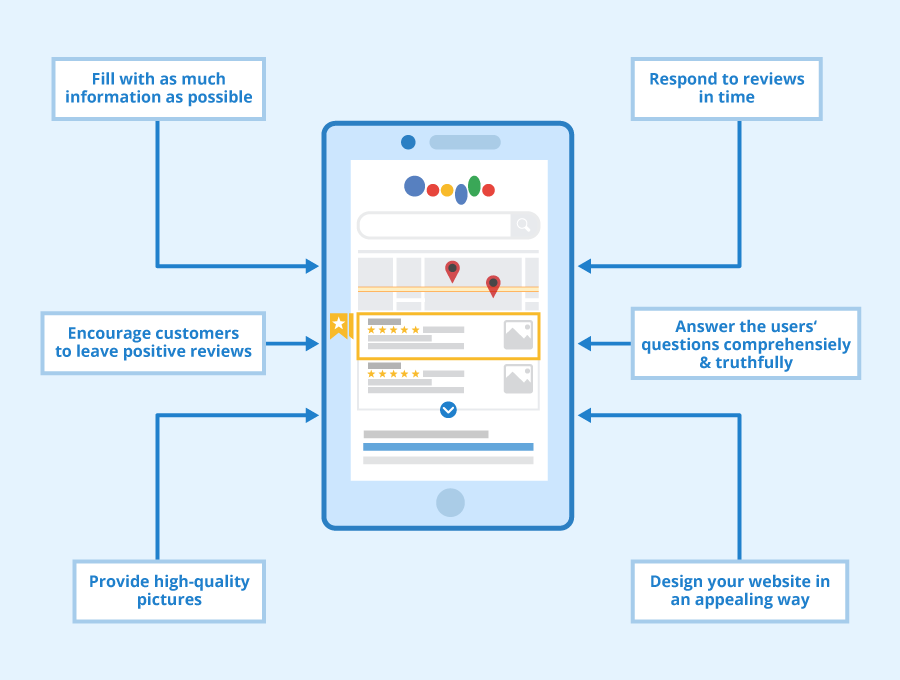
Google My Business is a powerful tool for local businesses, allowing you to manage your online presence across Google Search and Maps. By ensuring your business information is accurate and up to date, responding to customer reviews, and posting relevant updates, you can enhance your visibility and credibility. This, in turn, drives more foot traffic and offline sales.

Analyzing Cross-Device Conversions

Customers today use multiple devices during their purchase journey. Google Ads provides cross-device conversion tracking, which allows you to measure conversions that start on one device and end on another. By understanding how your customers switch between devices before making an offline purchase, you can optimize your ads accordingly and drive more offline revenue.

Optimizing Landing Pages for Offline Conversion

Your landing pages play a crucial role in driving offline sales. Make sure your landing pages are designed to capture leads, provide relevant information, and encourage users to take the desired offline action. By optimizing your landing pages for offline conversion, you can ensure a seamless transition from online engagement to offline sales.

Continuously Monitoring and Refining Your Strategies

The key to maximizing revenue and optimizing for offline sales with Google Ads is ongoing monitoring and refinement. Regularly analyze the performance of your campaigns, track key metrics, and identify areas for improvement. Use A/B testing to experiment with different ad formats, copy variations, and targeting options to find what resonates best with your target audience. Stay up to date with industry trends and Google Ads updates to leverage new features and opportunities.

Implementing Store Visits Tracking

For businesses with physical stores, store visits tracking is a valuable feature provided by Google Ads. By using location data and anonymized user information, Google estimates the number of people who clicked on your ad and later visited your store. This insight allows you to measure the offline impact of your online advertising efforts and make informed decisions about campaign optimization.

Developing Localized Campaigns

If your business operates in multiple locations, creating localized Google Ads campaigns can significantly boost your offline sales. Tailor your ad copy and landing pages to each specific location, emphasizing local offers, events, or promotions. By connecting with your target audience on a local level, you can foster a sense of community and drive more foot traffic to your offline stores.

Use Smart Bidding Strategies

Google Ads offers various smart bidding strategies that leverage machine learning to optimize your campaigns automatically. Experiment with strategies like Target ROAS (Return on Ad Spend) or Target CPA (Cost per Acquisition) to maximize revenue and offline conversions. Smart bidding takes into account multiple factors, such as user intent, device, location, and time of day, to deliver ads to the right audience at the right time.

Incorporating Local Inventory Ads

For businesses with physical inventory, local inventory ads are a powerful tool to drive offline sales. These ads showcase your products, availability, and store information to nearby shoppers actively looking for what you offer. By providing real-time inventory updates, you can attract customers who prefer to make purchases in person and capitalize on their immediate buying intent.

Tracking Offline Engagement

Beyond tracking offline sales, it’s important to measure and optimize offline engagement as well. This includes metrics like in-store customer interactions, post-purchase surveys, or loyalty program sign-ups. By tracking these offline engagement metrics, you gain insights into customer satisfaction and loyalty, enabling you to refine your marketing strategies and drive repeat business.

Takeaway

Google Ads provides a multitude of opportunities to boost revenue and optimize for offline sales. By combining the power of online advertising with offline conversions, you can create a cohesive marketing approach that maximizes both online and offline revenue streams. By using a comprehensive approach, you can unlock the full potential of Google Ads to drive business growth and increase your offline sales.

The post Unlocking the Offline Potential: Boosting Revenue with Google Ads appeared first on Creativ Digital.


from Creativ Digital https://ift.tt/LBK2DCJ

Monday, June 5, 2023

12 Ways AI Can Supercharge Your SEO Strategy

Search Engine Optimization or SEO has become an essential component for businesses looking to enhance their online presence and drive organic traffic to their websites. As technology continues to evolve, artificial intelligence (AI) has emerged as a powerful tool that can supercharge your SEO strategy and deliver remarkable results.

Let’s take a look at how AI can revolutionize your SEO efforts and how you can leverage this technology to stay ahead of the competition.

Intelligent Keyword Research

Keyword research forms the foundation of any successful SEO campaign. AI-powered tools can analyze vast amounts of data and identify high-performing keywords with precision and speed. These tools use machine learning algorithms to analyze search patterns, user behavior, and competitor strategies to recommend relevant keywords that can drive targeted traffic to your website.

Using AI in your keyword research process can uncover hidden opportunities and optimize your content to rank higher in search engine results pages (SERPs).

Content Creation and Optimization

AI technology can transform the way you create and optimize content. Natural language processing (NLP) algorithms can analyze the content on your website and provide valuable insights on how to improve it. AI-powered tools can identify keyword stuffing, suggest relevant keywords to include, and provide recommendations to enhance the overall readability and user experience.

AI can also generate content outlines, summaries, and even full-length articles, saving you time and effort in the content creation process.

Advanced Data Analysis

AI can handle vast amounts of data and provide valuable insights to fuel your SEO strategy. By using machine learning algorithms, AI tools can analyze user behavior, search patterns, and engagement metrics to identify trends and patterns that may impact your website’s performance.

This data-driven approach allows you to make informed decisions about optimizing your website, targeting specific demographics, and tailoring your content to meet the needs and preferences of your target audience.

Voice Search Optimization

With the rise of virtual assistants and smart speakers, voice search has become increasingly popular. AI-powered voice recognition technology can help you optimize your website for voice search queries. By understanding the context and intent behind voice-based queries, AI tools can help you optimize your content to rank higher in voice search results. Incorporating long-tail keywords and natural language patterns into your content can significantly improve your visibility in voice search, expanding your reach and driving more organic traffic to your website.

Enhanced User Experience

User experience is a crucial factor in determining your website’s search engine ranking. AI technology can analyze user behavior, including bounce rates, time on site, and click-through rates, to assess the overall user experience of your website. By identifying areas of improvement, such as slow loading times or confusing navigation, AI can help you enhance your website’s usability and optimize it for better engagement.

A seamless user experience not only improves your search rankings but also encourages visitors to spend more time on your site and convert into loyal customers.

Competitor Analysis and Insights

AI-powered tools can provide deep insights into your competitors’ SEO strategies. By analyzing their backlink profiles, content strategies, and keyword targeting, AI can identify gaps and opportunities that you can leverage in your own SEO efforts. Understanding your competitors’ strengths and weaknesses can help you refine your strategy, stay ahead in the search rankings, and capture a larger share of the market.

indicateurs de performance commerciale

Predictive Analytics

AI’s predictive capabilities can revolutionize the way you approach SEO. By analyzing historical data and trends, AI tools can forecast future search patterns, algorithm updates, and user behavior. This insight can help you stay ahead of the curve and adapt your SEO strategy proactively.

Using predictive analytics with AI can help you make data-driven decisions, optimize your website for upcoming trends, and ensure that you are well-prepared for the dynamic nature of search engine algorithms.

Automated Reporting and Monitoring

Keeping track of your SEO performance can be a time-consuming task. However, AI can automate the process by generating comprehensive reports and monitoring key metrics. AI-powered tools can collect and analyze data from various sources, such as search engine rankings, website traffic, and backlink profiles, and present the information in easily understandable dashboards.

This automation allows you to quickly identify areas of improvement, track the impact of your SEO efforts, and make informed decisions based on real-time data.

Personalized Search Results

Personalization has become a key aspect of the digital experience. AI can help you deliver personalized search results to your target audience, enhancing their overall user experience. By analyzing user preferences, browsing history, and demographic data, AI tools can tailor search results based on individual preferences.

A high level of personalization can improve engagement, increase click-through rates, and ultimately drive more conversions. By understanding your audience on a deeper level, you can create highly targeted SEO strategies that resonate with your potential customers.

Algorithm Updates and Adaptability

Search engine algorithms are constantly evolving, and staying up to date with the latest changes is crucial for maintaining your search visibility. AI-powered tools can analyze algorithm updates, understand their impact on search rankings, and suggest necessary adjustments to your SEO strategy.

Using AI’s ability to adapt and learn from new data will let you quickly respond to algorithm changes and ensure that your website remains optimized for optimal visibility and organic traffic.

Building high-quality backlinks is a vital aspect of SEO. AI can assist in the link-building process by analyzing websites, evaluating their authority and relevance, and suggesting potential link-building opportunities. AI-powered tools can identify authoritative websites within your industry and recommend outreach strategies to secure valuable backlinks. This can significantly enhance your website’s authority, visibility, and search rankings.

Mobile Optimization

Mobile optimization is no longer an option—it’s a necessity. With the majority of internet users accessing the web through mobile devices, optimizing your website for mobile is crucial for SEO success. AI can analyze your website’s mobile performance, identify areas for improvement, and suggest optimizations to enhance the mobile user experience.

From responsive design to faster load times, AI can help you create a mobile-friendly website that ranks well in mobile search results.

Takeaway

AI has the potential to supercharge your SEO strategy by providing advanced insights, automating processes, and optimizing your website for better search engine rankings. AI’s predictive capabilities and adaptability can help you stay ahead of algorithm updates and industry trends.

Incorporating AI into your SEO strategy can give you a competitive edge and drive significant organic traffic to your website. Embrace the power of AI and unlock the true potential of your SEO efforts.

The post 12 Ways AI Can Supercharge Your SEO Strategy appeared first on Creativ Digital.


from Creativ Digital https://ift.tt/fWQh2yU

Sunday, June 4, 2023

Best Lead Generation Strategies for Business Growth

In the world of marketing, leads are the lifeblood of any successful business. However, not all leads are created equal. It’s not just about generating a high volume of leads; it’s about attracting quality leads that have a higher likelihood of converting into paying customers.

Here are some effective strategies to improve your lead quality and sales and revenue.

Define Your Ideal Customer

The first step in improving lead quality is to clearly define your ideal customer. This involves understanding their demographics, psychographics, pain points, and buying behavior. By creating detailed buyer personas, you can tailor your marketing efforts to attract leads who are more likely to be interested in your product or service.

This targeted approach helps you attract higher-quality leads who are genuinely interested in what you have to offer.

Optimize Landing Pages

Your landing pages play an important role in attracting and converting leads. Optimizing your landing pages is essential to improve lead quality. Ensure that your landing pages have clear and compelling headlines, concise and persuasive copy, and a strong call-to-action.

A clutter-free design, user-friendly interface, and mobile responsiveness are also important factors. When landing pages are optimized, you can enhance the user experience and encourage high-quality leads to take the desired action.

Refine Lead Generation Channels

Not all lead generation channels are equally effective in delivering high-quality leads. It’s crucial to analyze and refine your lead generation channels to focus on the ones that provide the best results. Evaluate the performance of different channels such as social media advertising, content marketing, search engine optimization, email marketing, and paid search campaigns.

Identify the channels that consistently attract high-quality leads and allocate more resources to them while minimizing investment in underperforming channels.

Implement Lead Scoring

Lead scoring is a valuable technique that helps prioritize leads based on their quality and likelihood of conversion. By assigning a numerical value to each lead based on predefined criteria such as demographic data, engagement level, and buying behavior, you can identify the most promising leads.

This allows your sales team to focus their efforts on leads with higher scores, increasing the chances of closing deals with quality prospects and reducing time wasted on low-quality leads.

Nurture Leads with Personalized Content

Lead nurturing is essential for developing relationships with potential customers and moving them through the sales funnel. Personalized content plays a crucial role in this process. By understanding the pain points and interests of your leads, you can create targeted and relevant content that addresses their specific needs.

This can include educational blog posts, whitepapers, case studies, or personalized email campaigns. By providing valuable content, you build trust and credibility, increasing the likelihood of converting leads into customers.

Align Sales and Marketing Efforts

To improve lead quality, it’s essential to align your sales and marketing teams. Establish open lines of communication, share information about leads, and collaborate on lead qualification criteria. Regular meetings and feedback sessions can help bridge any gaps between the two teams and ensure that the leads passed from marketing to sales are of high quality.

This collaboration ensures that both teams work towards a common goal of attracting and converting quality leads.

Leverage Social Proof

Social proof is a powerful tool in building trust and credibility with your leads. Incorporate testimonials, reviews, case studies, and success stories into your marketing materials. Highlight positive experiences from satisfied customers to demonstrate the value and quality of your products or services.

Social proof serves as validation and reassurance for potential leads, increasing their confidence in choosing your business.

Utilize Marketing Automation

Marketing automation can streamline and optimize your lead nurturing processes. Implement automated email workflows that deliver targeted content based on the leads’ behavior and preferences. This ensures that each lead receives relevant information at the right time, increasing engagement and moving them closer to conversion.

Automation also allows you to track and measure the effectiveness of your campaigns, enabling continuous improvement.

Monitor and Analyze Lead Quality Metrics

Regularly monitor and analyze key lead quality metrics to gain insights into the effectiveness of your strategies. Track metrics such as lead-to-customer conversion rate, cost per lead, lead engagement, and lead source performance.

This data will help you identify which tactics and channels are driving high-quality leads and enable you to allocate your resources more efficiently.

Continuously Refine Your Ideal Customer Profile

The needs and preferences of your target audience may evolve over time. To ensure that you are attracting the right leads, continuously refine your ideal customer profile based on market trends, customer feedback, and data analysis.

Stay updated with industry insights and adjust your messaging, targeting, and strategies accordingly.

Reasons to Focus on Lead Generation

Lead generation has become a critical component of success for eCommerce businesses and organizations across various industries. Lead generation involves attracting and capturing potential customers’ interest and contact information, providing a foundation for building relationships and driving conversions.

Here’s why you and your business should continue efforts to support lead generation and how it contributes to their growth and profitability.

Expand Customer Base

Lead generation allows eCommerce businesses to expand their customer base by reaching out to a wider audience. By implementing effective lead generation strategies, businesses can attract new prospects who may have never encountered their brand before.

It enables them to tap into new markets, build awareness, and ultimately increase their chances of converting potential leads into loyal customers.

Targeted Marketing Efforts

Lead generation allows businesses to focus their marketing efforts on a specific target audience. By understanding their ideal customer profile, businesses can create targeted campaigns and personalized messaging that resonate with potential leads.

This targeted approach not only improves the efficiency of marketing efforts but also increases the chances of attracting high-quality leads who are more likely to convert and become repeat customers.

Data-Driven Decision Making

Lead generation provides valuable data and insights that businesses can leverage to make informed decisions. By tracking and analyzing lead generation metrics such as lead sources, conversion rates, and customer demographics, businesses can gain a deeper understanding of their target audience’s preferences and behaviors.

This enables businesses to refine their marketing strategies, optimize their conversion funnels, and allocate resources more effectively.

Higher Conversion Rates

Leads generated through effective lead generation strategies have a higher likelihood of converting into paying customers. Since these leads have already shown interest in the product or service by providing their contact information, they are more receptive to further engagement and are closer to making a purchase decision.

By focusing on generating quality leads, businesses can significantly improve their conversion rates, leading to increased sales and revenue.

Cost-Effectiveness

Lead generation is a cost-effective marketing strategy compared to traditional advertising methods. It allows businesses to reach potential customers directly, eliminating the need for intermediaries and reducing marketing expenses. Moreover, by targeting specific demographics and interests, businesses can optimize their marketing budget and generate higher returns on investment.

 With proper lead nurturing, businesses can convert leads into customers, maximizing the value obtained from each lead generated.

Bottom Line

Lead generation is a vital component for the success of eCommerce businesses and organizations across industries. Remember, quality leads have a higher conversion potential and are more likely to become long-term, loyal customers. By investing time and effort into improving your lead quality, you can maximize the return on your marketing investments and drive sustainable business growth.

Embracing lead generation strategies positions businesses at the forefront of customer acquisition and retention, enabling them to thrive in the competitive digital landscape.

The post Best Lead Generation Strategies for Business Growth appeared first on Creativ Digital.


from Creativ Digital https://ift.tt/KGA6Yfg

Thursday, June 1, 2023

The Art of Repurposing Content: Unlocking Endless Possibilities

Content creation is a crucial aspect of any successful online presence. However, constantly generating fresh and engaging content can be a daunting task. This is where the power of repurposing content comes into play.

Repurposing content is the process of taking existing content and presenting it in a new format or targeting a different audience. It not only saves time and resources but also allows you to reach a wider audience and maximize the value of your content.

Here are the benefits of repurposing content and practical tips for effectively repurposing it.

Benefits of Repurposing Content

Expanding Reach and Audience

One of the primary benefits of repurposing content is the ability to extend your reach and target a wider audience. By transforming your content into different formats, such as blog posts, videos, podcasts, infographics, or social media posts, you can appeal to different learning preferences and consumption habits.

Some individuals prefer reading, while others prefer watching or listening. Repurposing content allows you to cater to these preferences and engage with diverse segments of your audience, potentially attracting new followers, readers, or customers who might have missed your original content.

Amplify Your Message and Reinforce Key Points

When you repurpose content, you have the opportunity to reinforce your key messages and reach your audience through different channels. By presenting the same information in various formats, you can emphasize important concepts and ensure they resonate with your audience.

For example, you can create a blog post summarizing the main points of a podcast episode, or turn a series of blog posts into an ebook or an online course. By doing so, you create multiple touchpoints for your audience, making it more likely that they will internalize and remember your message.

Improve SEO and Increase Website Traffic

Repurposing content can significantly benefit your search engine optimization (SEO) efforts and increase traffic to your website. By creating new versions of existing content and targeting different keywords or long-tail phrases, you can broaden your online visibility and improve your search rankings.

When you publish content in different formats on various platforms, you create more opportunities for backlinks and social media shares, which further enhance your SEO efforts. Repurposing content also enables you to optimize your existing content by adding relevant updates, statistics, or case studies, making it more valuable and appealing to search engines and readers alike.

Save Time and Resources

Creating high-quality content takes time and effort. However, repurposing content allows you to leverage your existing work and save valuable resources. Rather than starting from scratch every time you want to create new content, you can repurpose your existing assets and give them a fresh spin.

This not only reduces the time spent on content creation but also frees up resources that can be allocated to other essential tasks, such as strategy development, engagement with your audience, or creating new original content.

In the fast-evolving digital world, staying relevant is vital to maintaining a competitive edge. Repurposing content enables you to adapt your message and engage with your audience in response to changing trends. By repackaging your existing content to align with current topics, emerging platforms, or new formats, you can demonstrate your industry expertise and establish yourself as a thought leader.

Moreover, repurposing evergreen content allows you to bring it back into the spotlight periodically, ensuring it remains relevant and valuable over time.

cropped-how-long-build-professional-website

Impact of Repurposed Content

Repurposing content can have a significant impact on both businesses and content creators. Let’s see how it benefits each party:

Business Impact

  • Cost-effectiveness: Repurposing content allows businesses to maximize their return on investment (ROI) by leveraging existing assets. Instead of investing substantial resources into creating new content from scratch, repurposing enables businesses to extend the lifespan of their content, reaching a broader audience without incurring significant costs.
  • Increased Reach and Engagement: By repackaging content in various formats, businesses can reach different segments of their target audience. This expanded reach can lead to increased brand awareness, engagement, and conversions.
  • Thought Leadership and Expertise: Repurposing content allows businesses to showcase their industry expertise. By sharing valuable insights and repackaging content to align with current trends, businesses can position themselves as thought leaders, fostering trust and credibility among their audience.

Creator Impact

  • Time and Resource Efficiency: Repurposing content saves creators valuable time and resources. Instead of starting from scratch, they can repurpose existing content, giving it a fresh perspective or format, thus reducing the overall workload.
  • Building Authority and Influence: Repurposing content allows creators to reinforce their key messages, cementing their expertise and building authority within their niche. Consistently delivering valuable content across different formats helps creators establish themselves as trusted sources of information and increases their influence within their industry.
  • Increased Content Lifespan: Repurposing evergreen content ensures its longevity. By updating and repackaging timeless content, creators can continue to generate value from their work over an extended period, attracting new audiences and keeping existing ones engaged.

Takeaway

The art of repurposing content offers numerous benefits for content creators and marketers alike. By extending your reach and targeting new audiences, amplifying your message across different channels, improving SEO and driving website traffic, saving time and resources, and staying relevant in a rapidly changing digital landscape, you unlock endless possibilities for your content.

Remember, repurposing content is not about simply duplicating or regurgitating existing material. It requires thoughtful planning and consideration to transform your content into a new format that resonates with your target audience. Analyze your existing content, identify its strengths, and determine the most suitable formats and platforms for repurposing.

Embrace the power of repurposing, and you’ll discover that your content can have a longer lifespan, generate greater engagement, and deliver more value to your audience. With strategic repurposing, you can maximize your content’s potential and create a meaningful impact in the digital realm.

The post The Art of Repurposing Content: Unlocking Endless Possibilities appeared first on Creativ Digital.


from Creativ Digital https://ift.tt/fKZvlO3

The Role of JavaScript in Modern Web Development

In today’s world, the internet has become an essential part of our daily lives. With the evolution of web technologies and the emergence of new trends, web development has become more complex and dynamic than ever before. JavaScript is one such language that plays a significant role in modern web development.

JavaScript has gained immense popularity over the years due to its versatility and ability to create interactive user experiences on websites. It is a programming language that runs on both client-side and server side, making it a crucial component in building fast, responsive, and scalable web applications. This article will explore the various aspects of JavaScript’s role in modern web development, including its benefits, limitations, trends, frameworks/libraries used in conjunction with it, etc.

The Role of JavaScript in Modern Web Development

Let’s explore the significant role that JavaScript plays in shaping the modern web landscape.

Interactivity and User Experience

One of the key strengths of JavaScript is its ability to add interactivity and enhance the user experience of web applications. With JavaScript, developers can create responsive interfaces that react to user input in real time. This enables the creation of interactive elements such as dropdown menus, image sliders, form validations, and dynamic content updates without requiring a page reload. JavaScript allows developers to build engaging and dynamic user interfaces, making websites more intuitive and enjoyable for visitors.

DOM Manipulation

JavaScript enables developers to manipulate the Document Object Model (DOM), which represents the structure and content of a web page. This capability allows for dynamic updates and modifications to the page’s elements, such as adding or removing HTML elements, changing styles, or updating text content. JavaScript’s DOM manipulation powers the creation of interactive features, dynamic content loading, and the ability to respond to user actions, resulting in a more dynamic and personalized user experience.

Asynchronous Communication

JavaScript’s support for asynchronous programming is critical for modern web applications that rely on fetching data from servers, making API requests, or loading resources. Through the use of techniques like AJAX (Asynchronous JavaScript and XML) and the Fetch API, JavaScript allows developers to retrieve data from servers in the background without blocking the rest of the page’s content from loading. This asynchronous nature enables seamless updates and real-time interactions, making web applications more responsive and efficient.

Frameworks and Libraries

JavaScript is the foundation for numerous powerful frameworks and libraries that simplify and streamline web development. Frameworks like React, Angular, and Vue.js provide developers with efficient tools for building complex user interfaces, managing states, and creating reusable components. These frameworks leverage JavaScript’s capabilities to enhance productivity and maintainability, enabling developers to create sophisticated web applications with ease.

Cross-platform Development

JavaScript has expanded beyond the web browser and is now widely used for cross-platform development. Technologies such as Node.js enable developers to use JavaScript on the server side, allowing for the creation of full-stack applications using a single language. This unified development approach increases efficiency and reduces the learning curve, as developers can leverage their existing JavaScript skills to build both front-end and back-end components.

Community and Resources

JavaScript’s popularity has fostered a thriving and supportive developer community. The abundance of online resources, tutorials, and forums makes it easier for developers to learn, share knowledge, and solve problems. Additionally, the open-source nature of JavaScript and its associated frameworks has led to a vast ecosystem of plugins, libraries, and extensions that can be leveraged to accelerate development and add advanced functionality to projects.

Conclusion

In conclusion, JavaScript plays a vital role in modern web development by enabling interactivity, enhancing user experiences, and facilitating the creation of dynamic and responsive web applications. Its versatility, along with the support of frameworks, libraries, and a robust developer community, empowers developers to build sophisticated and feature-rich websites and applications. As the web continues to evolve, JavaScript remains at the forefront, shaping the digital landscape and powering the interactive experiences we enjoy today.

The post The Role of JavaScript in Modern Web Development appeared first on Creativ Digital.


from Creativ Digital https://ift.tt/U4p6PaK